Celesta, shows for cultural projects.
A local authority, an institution, a patron, an association, sometimes an artist: each one approves the project and expects something different from it. So we write a story that each partner can defend in committee.
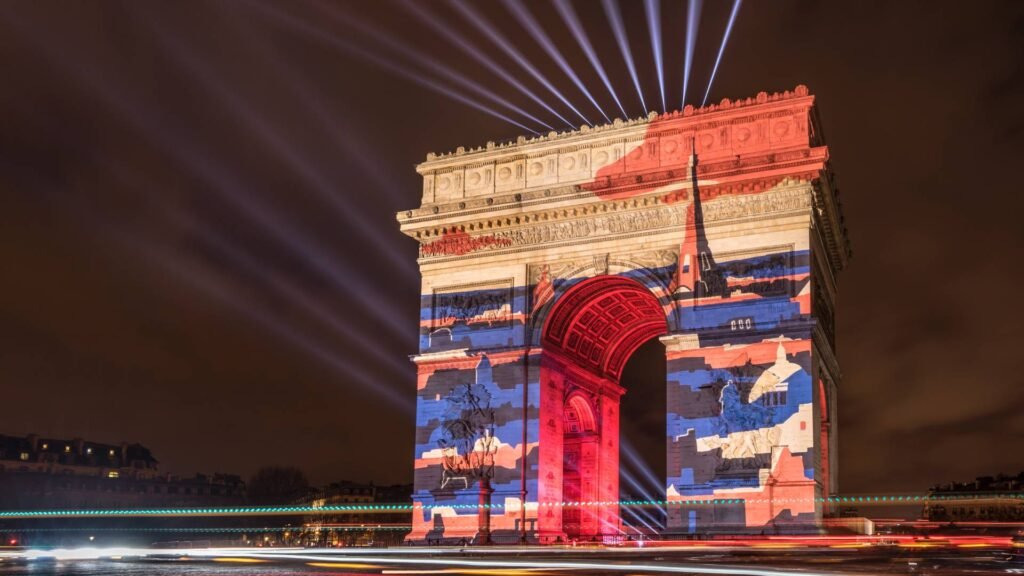
Standard commission and cultural project.
On a cultural project, the decision is built between several partners, and we work accordingly.
An order
A contact person decides
- A budget that has been approved and is available
- An intention expressed in a single sentence
- A date agreed upon from the very first conversation
- Just one opinion to seek on the script
- Validation that remains valid right up until the big day
A project
Five partners to bring together
- Multi-year, conditional funding
- Expectations that do not all coincide
- A date subject to the granting of financial assistance
- Bodies that meet at their own pace
- A scenario that unfolds between two committees
Six constraints of a cultural project.
We raise them from the first meeting.
01
The date depends on funding
As long as the grant has not been notified, the date remains a hypothesis. We then work on a window and prepare the regulatory file in parallel, so as not to lose time.
02
A story presented in committee
Alongside the script, we write a reasoned note of intent that explains each image to the decision-making bodies.
03
Different expectations from each partner
The elected official wants a popular moment, the institution an accurate reading, the patron visibility. We combine these three demands at the writing stage.
04
The budget is earmarked
One share often goes to outreach, another to communication. We cost by lots so that each funder sees what their contribution really pays for.
05
The place belongs to someone else
Museums, monuments, parks, places of worship: the manager is almost never the client. We prepare the manager’s agreement separately, before the rest of the project.
06
Filming, photographs and report
Filming, photos, report: the project holder reports on it to the funders. We plan these deliverables from the writing stage.
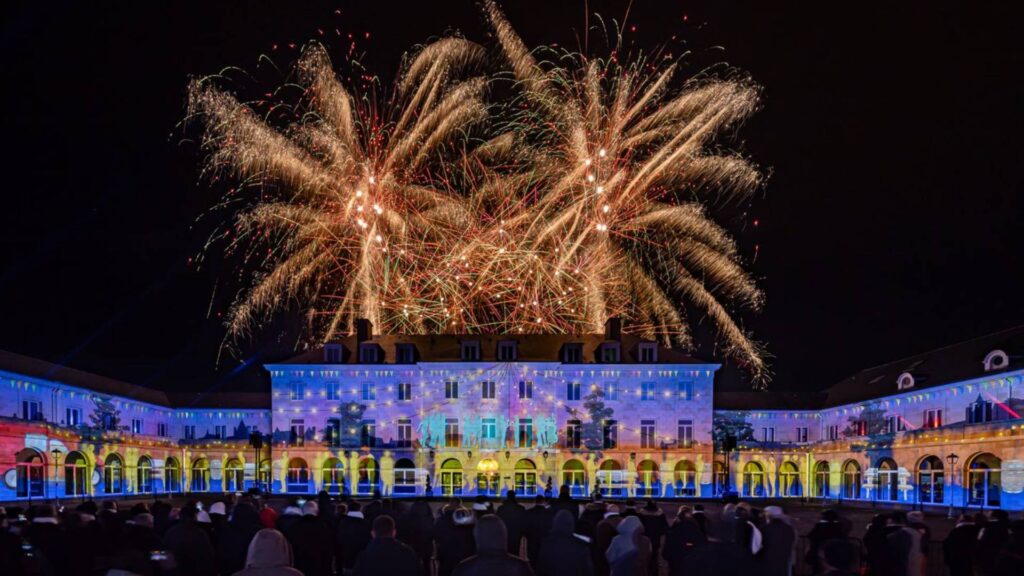
From the letter of intent to the funders’ report.
Only the fifth stage takes place in front of the public.
01
The intention
We listen to each party separately before writing anything.
02
The note
A short document setting out the script, its meaning and its cost by lots. It is this document that circulates among the decision-making bodies.
03
Location
Site visit with the site manager: building materials, structural elements, utilities, neighbouring areas, access.
04
The instruction
Prefecture declaration, the property manager’s approval, consultation with the Architecte des Bâtiments de France if required by the site, and submission of an application to the DGAC for a drone flight.
05
The performance
We design, produce and run the show with no intermediary, and remain the venue’s single point of contact throughout the show.
06
The results
Restoration work verified with the site manager; filming and photographs delivered; final report for the funders.
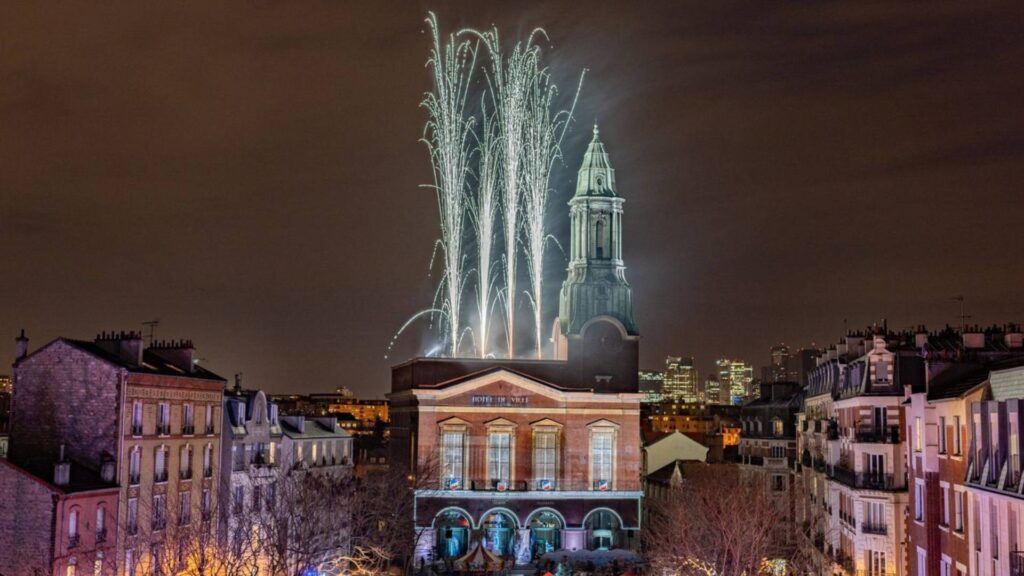
Choosing the technique from the story of the place.
We present the story first to the committees funding the project.
That is why we start with the story and choose the technique afterwards: fireworks, drones, mapping or lighting, depending on the history of the place.
Lead times and price of a cultural project.
Four minimums and one threshold, valid whatever the number of partners.
Orders of magnitude
by project
Costed proposal
within 48 hours
Statement of intent for your governing bodies
within 15 days
A bespoke show
3 to 6 months
Permission to set off a fireworks display
At least 1 month
Authorisation for a drone flight
A minimum of 45 days
Drone light show, from
€10,000
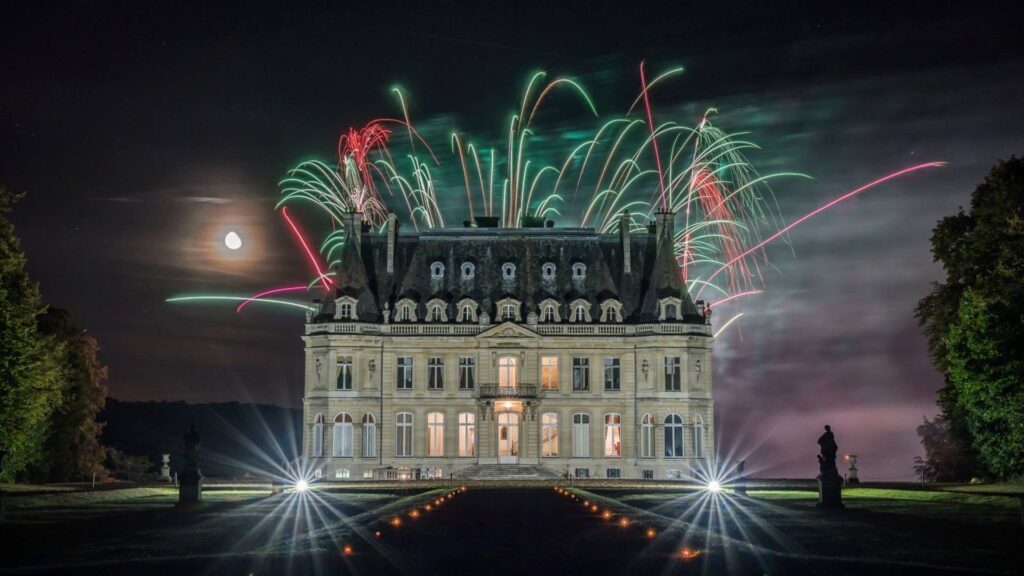
Present your cultural project.
A commemoration, an anniversary, a heritage showcase: tell us the venue, the date window and the partners involved. We reply within 48 hours with a first costing by lots and a note you can use in meetings.
Your questions about cultural projects.
Can you provide a document for our authorities?
Yes. We deliver a letter of intent within 15 days: script, artistic intention, venue constraints and costing by lots. It is this document that circulates in committee.
How do you calculate the cost if the date is uncertain?
On a window rather than a single day. The costing holds as long as the season and the set-up do not change, and we prepare the regulatory file in parallel so as not to lose time.
Is it possible to involve several funding bodies?
This is the most common scenario. Costing by batches enables each partner to identify what they are funding, and the statement of intent sets this out in terms that can be used during deliberations.
Is approval from the Architecte des Bâtiments de France required?
It depends on the site’s listing and the nature of the set-up. As soon as an anchor, a structure or a projection touches the building or its protected surroundings, consultation is required. We prepare the documents.
What remains after the show?
Filming, photographs and a summary report. We plan these deliverables from the writing stage, so that you can report on the project to its funders and prepare the next edition.
How long should I allow for this?
Allow 3 to 6 months for a bespoke show. On top of this, there are administrative lead times, which run in parallel without overlapping with the creative process: a minimum of 1 month for a fireworks display, and a minimum of 45 days for a drone light flight.