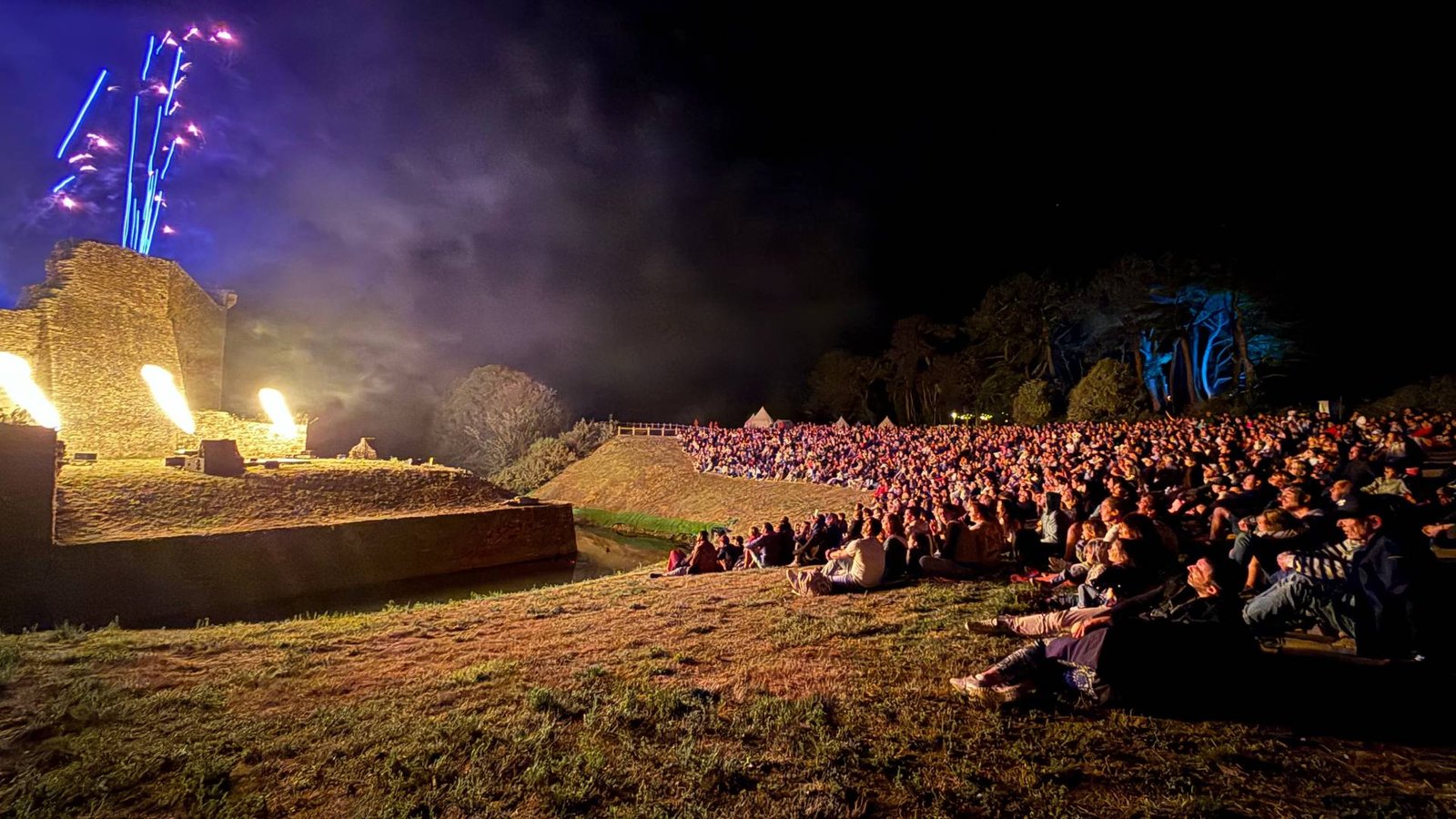
Sport and culture shows, by Celesta.
At a stadium, we launch the finale on a signal; on a cultural stage, to the second. We design, produce and run both, with the same team and the same equipment.
- Sport: start on a signal
- Culture: starting in the second year
Two ways to launch a finale.
At a stadium as in a château courtyard, we write a finale. The preparation, the launch and the constraints of the venue change from one to the other.
01
Sport
A show waiting for the cue
At a match, the end time varies: extra time, stoppage time, penalties. So we arm the set-up well in advance and it stays on standby, sometimes for more than an hour, until the cue from the control room.
- The start is given from the pitch
- Nothing is placed on the playing area, either before or during the game
- The equipment must remain operational the day before without compromising its reliability
02
Culture
A show written in real time
The time-code exists months before the performance and will not move. In return, the venue sets its limits: a listed monument, residents, ground load, fallout height. We write within these limits.
- The start time is set to the exact time code, down to the frame
- The location is protected: it dictates the material used
- The audience is close by: social distancing is achieved in a different way
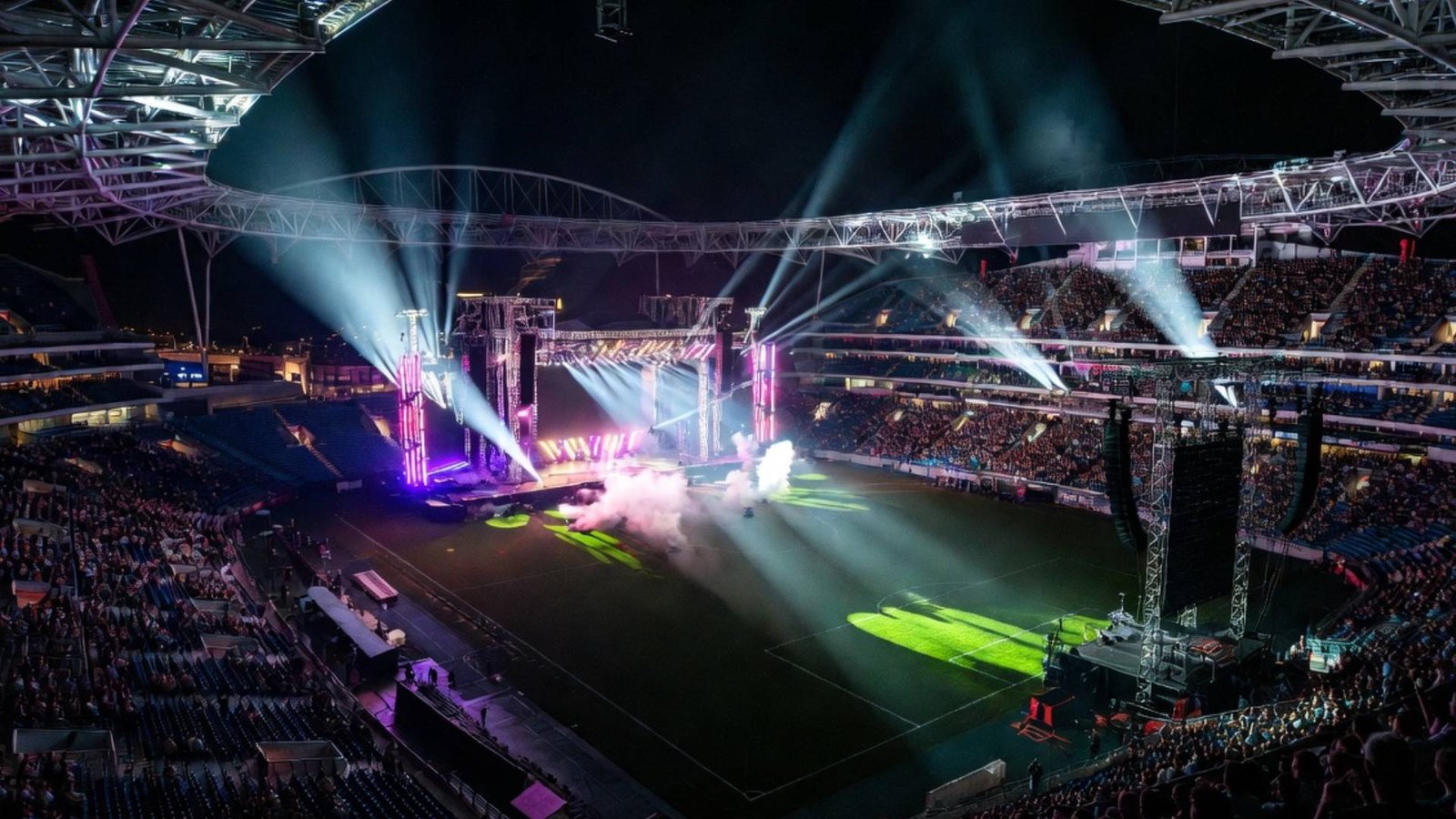
A firing day, hour by hour.
Six minutes of show fit into a seven-hour day. Here is how it breaks down.
Location scouting and editing
5 to 8 h
On the very same day, before anyone else
The Celesta team arrives on site five to eight hours before the audience: setting up, cabling, marking out the boundaries, dry runs. This is the longest part of the day.
The day before
1 hour or more
The set-up on standby
The equipment is set up and monitored. For a match, this wait often lasts over an hour. For a concert, it’s a matter of minutes after the soundcheck.
Le tir
6 min
A single socket
Six minutes on average, and no second chance. That is why we rehearse the timing far more often than the show.
The exit
45 min
Dismantling and checks
Dismantling, monitoring of fallout, and site restoration. On a protected site, this phase is checked point by point with the site manager, and it determines whether the next authorisation will be granted.
Sporting events, concerts and heritage.
Three pages cover each setting: sport and its signals, concerts and festivals that follow a running order written by others, culture and its protected venue.
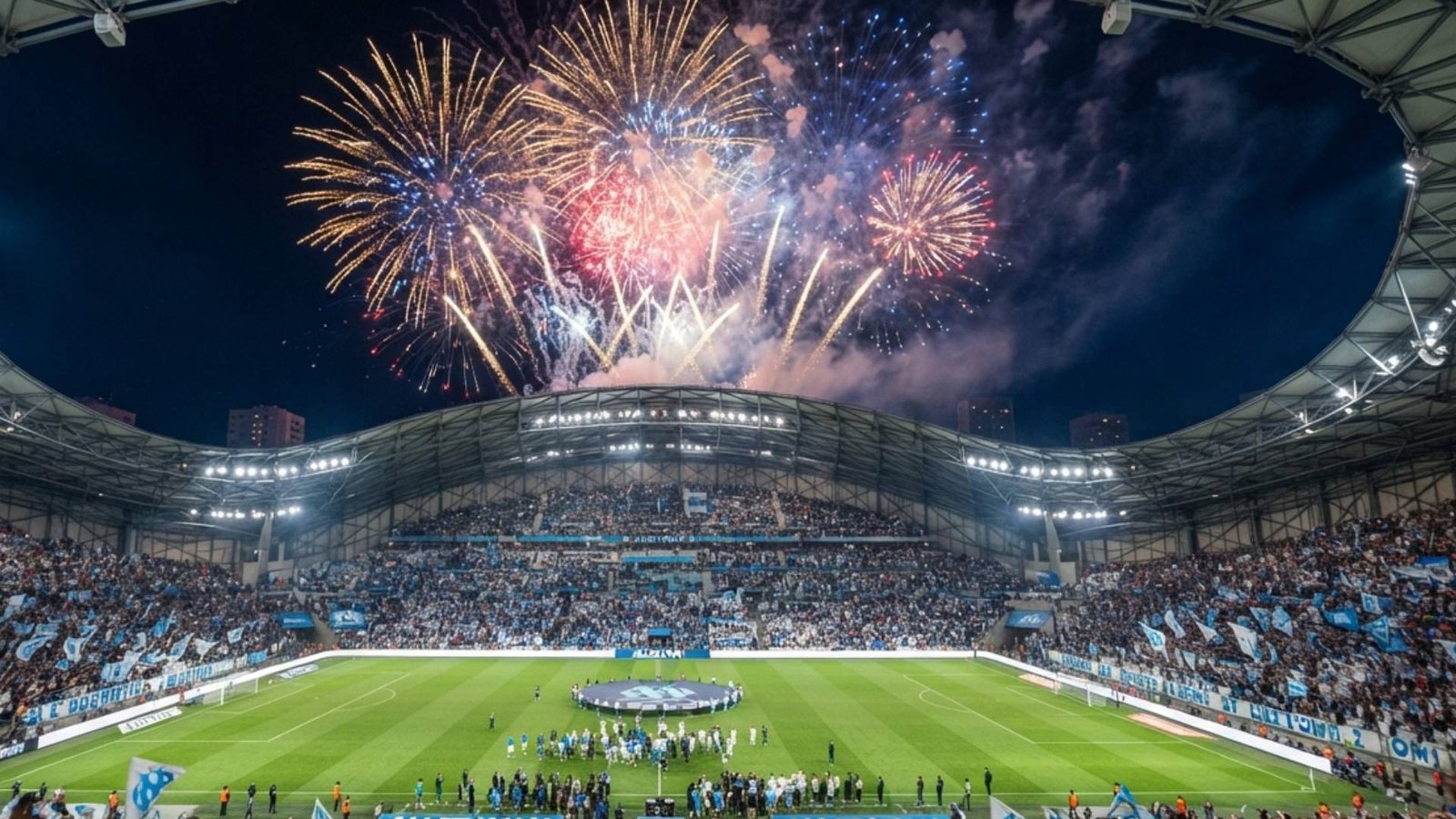
On cue
Sporting events
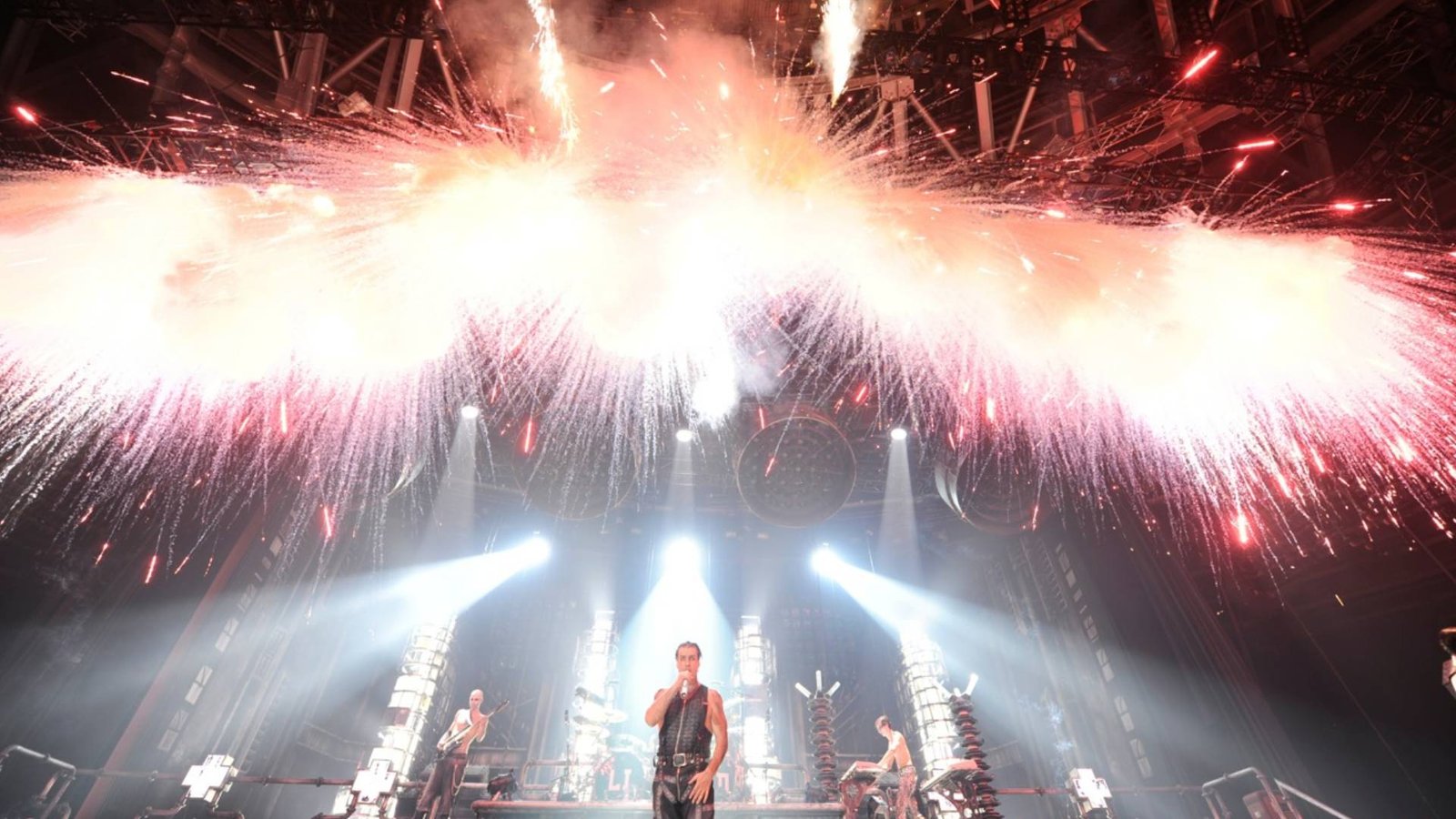
Finals, laps of honour, competition openings. We deploy a set-up that stays outside the playing area, launches on the control room’s cue and is prepared with the TV director as much as with the organiser.
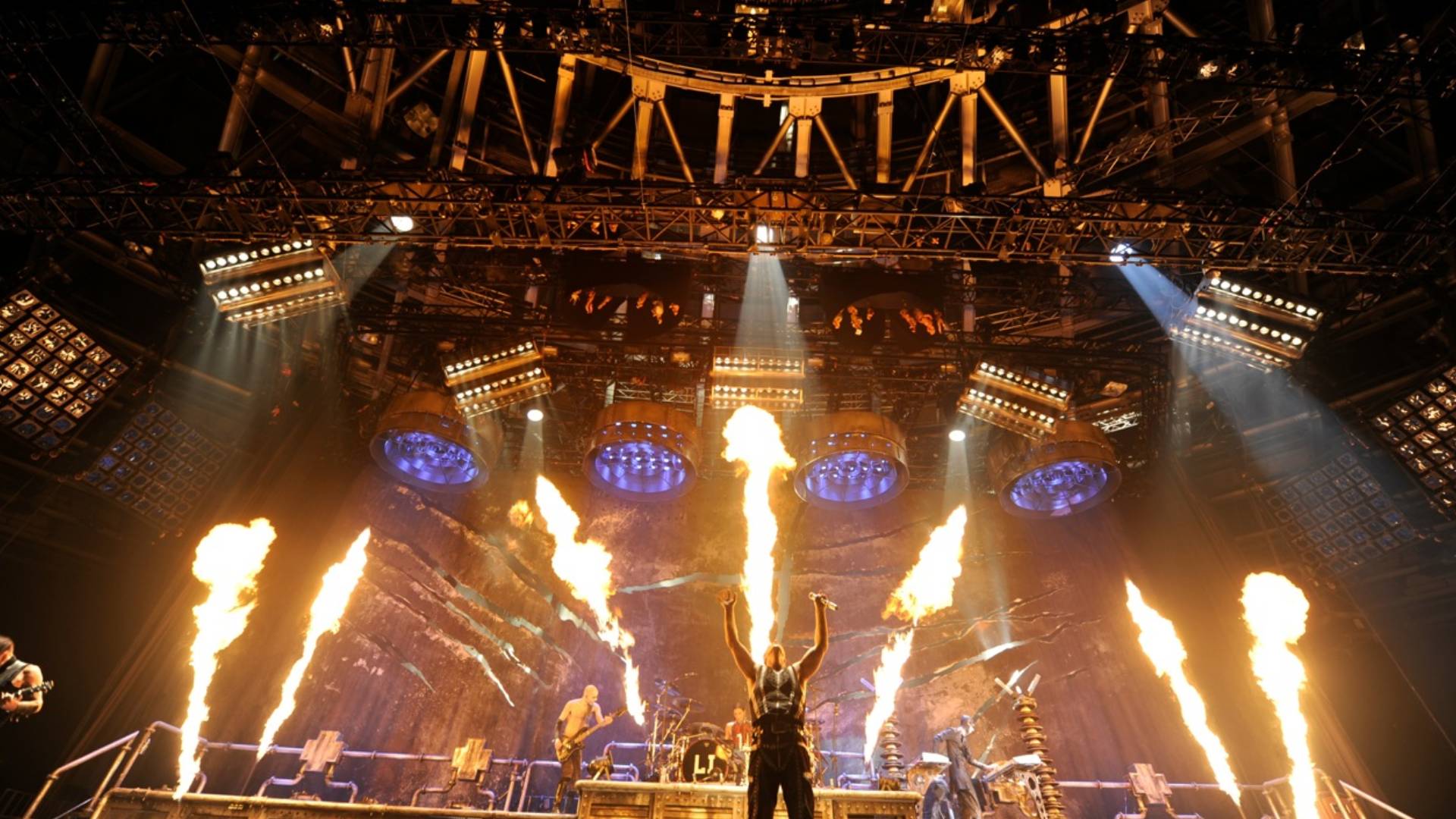
On driving
Concerts and festivals
We fit the show into a running order written by others: it begins on the control room’s cue and hands the view back to the stage immediately afterwards.
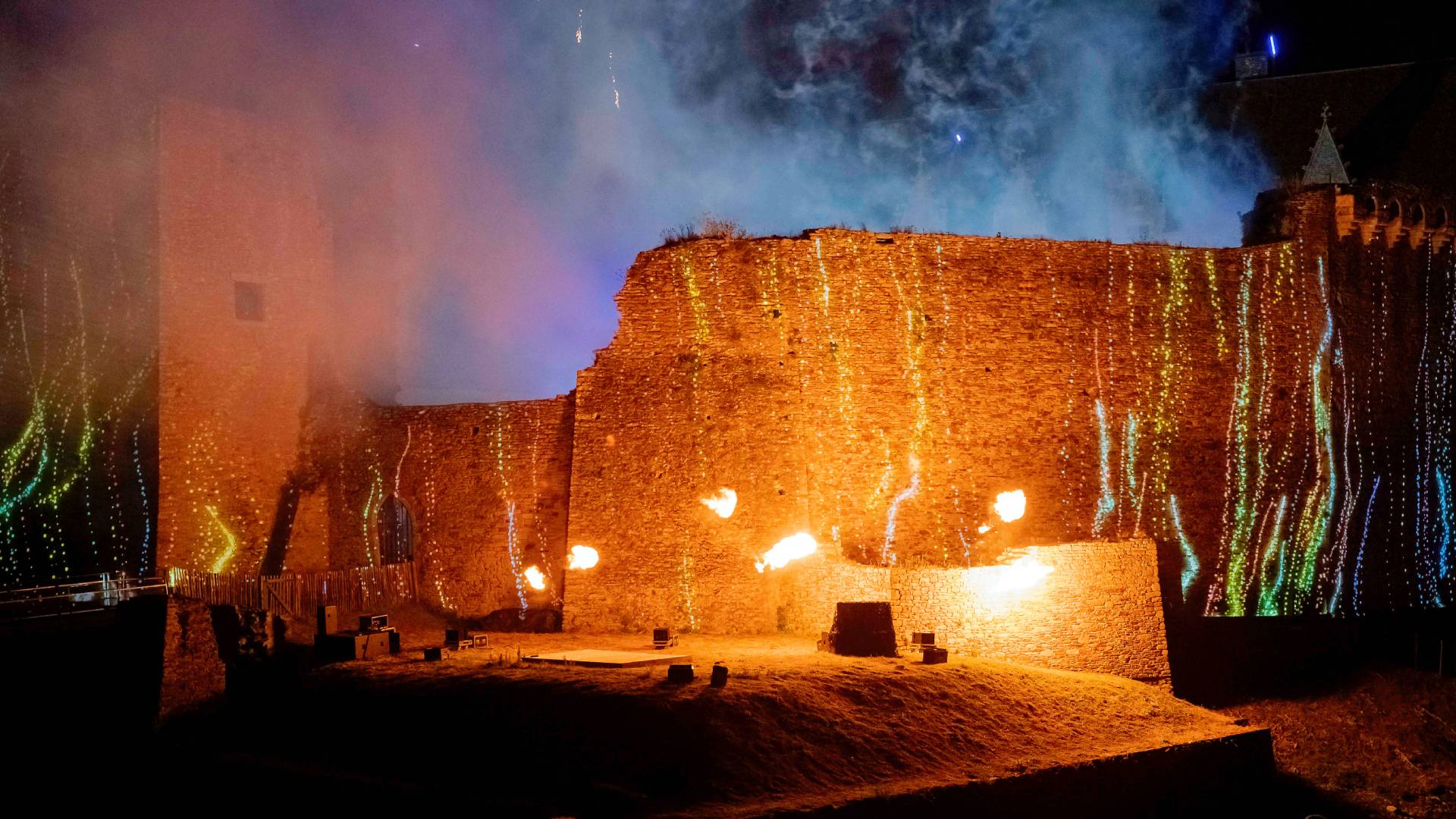
In a split second
Culture and heritage
Festivals, concerts, cultural projects. We write to the time-code, for a venue that sets its materials, its distances and its curfew.
Six constraints noted at the site survey.
We note them at the site survey, before writing the first image.
01
The playground
We place nothing on the pitch: no load, no fallout, no marks. The set-up therefore sits around the edge, in the stands or on the roof, and the writing starts from this constraint.
02
The stoppage time
At a match, the finale launches on a human signal. We set a launch procedure with the control room and the announcer, and we plan a fallback window if the signal does not come.
03
The monument
A listed site dictates its own requirements: distances, heights, materials and anchorage points. The necessary approvals are arranged with the site manager and, depending on the site, with the Architecte des Bâtiments de France.
04
The local resident
Near homes, the by-law sets the curfew, and we calculate the sound level of a display before writing it.
05
The camera
For a broadcast event, we set the show for the camera as much as for the stands. Pace, backlight, drone positions: we prepare the result with the TV director, in advance.
06
The season
A summer festival and a November closing event do not share the same wind, the same humidity, nor the same hour of darkness. Each scenario has its own denouement, written in advance.
Lead times and entry price.
Four minimums and one threshold, which apply whatever the venue.
Lead times set by regulation
We submit the declaration for a fireworks display at least one month ahead, and the file for a drone flight at least 45 days ahead. These deadlines run from the date a complete application is submitted: they come on top of the time taken to write the show.
- A quote within 48 hours
- Bespoke show: 3 to 6 months
- Permit for a fireworks display – minimum 1 month’s notice required
- Authorisation for a drone flight lasting at least 45 days
- Systematic on-site survey
Drone light show, from
€10,000
The price of a fireworks display depends on the set-up and the site: we cost it at the site visit and send it within 48 hours with the constraints already identified.
Present your event.
A match, a festival, an inauguration: tell us the venue, the date and the aim. We reply within 48 hours with a first costing and the constraints already identified on your site.
Your questions about sport and culture.
If your question is not here, we answer it at the site survey.
How do you start a show when you don’t know what time the match will finish?
The launch is not programmed on a clock but on a signal. We agree a cue procedure with the control room, usually given by the TV director or the announcer, and the set-up stays armed and watched until that cue. A fallback window is always written in case the signal does not come.
Is it allowed to set off a fireworks display above a listed monument?
Yes, but the medium changes. Distances, heights, products and anchor points are agreed with the site manager and, depending on the listing, with the Architecte des Bâtiments de France. That is why we survey the site before writing.
How much time should you allow for a festival?
Allow 3 to 6 months for a bespoke show. In addition to this production time, there are administrative lead times, which run in parallel but are not to be confused with the production process: a minimum of 1 month for a fireworks display, and a minimum of 45 days for a drone light flight.
Is it possible to stage a drone show under a church nave or in a hall?
Yes. Unlike fireworks, a drone flight can be deployed indoors as long as the volume and ceiling height allow. The number of drones and the size of the figures adapt to the venue; the site survey decides.
What happens if the weather prevents the shooting from taking place?
Each scenario is drawn up with a contingency plan. Depending on the circumstances, this may involve: postponing a time slot, scaling back the operation, switching to a version with no fallout, or a controlled cancellation. The decision rests with the competent authority, on the advice of the Celesta pyrotechnician in charge of the display.
Who is responsible for obtaining the permits – the organiser or Celesta?
Celesta puts together the technical dossier and submits the applications: a prefecture declaration for a fireworks display, an AlphaTango application to the DGAC, and a risk assessment for a drone flight. The organiser remains the applicant and signs the documents; they do not have to compile the dossier.