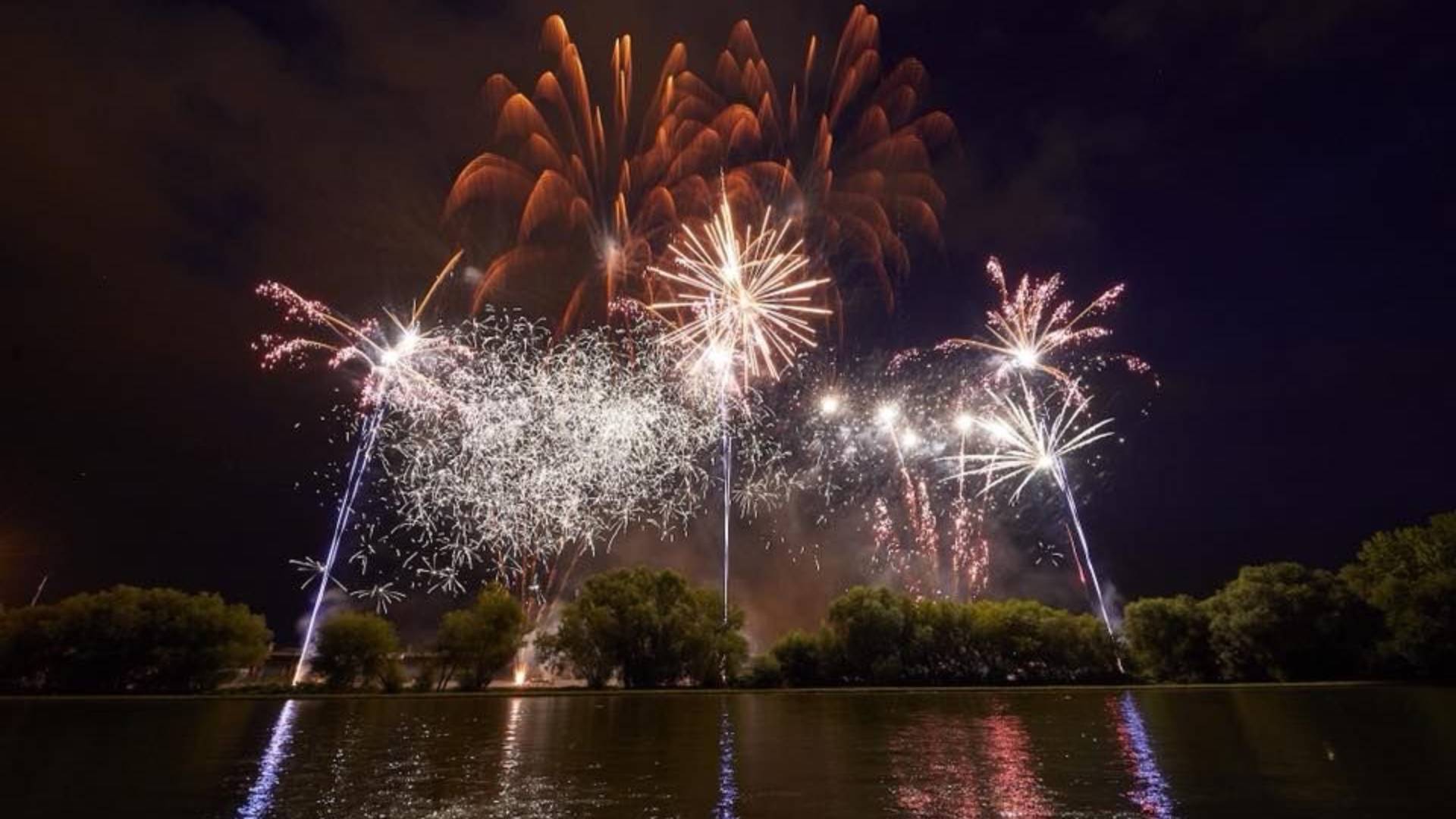
Multimedia staging, by Celesta.
In multimedia staging, we coordinate our five other disciplines: fireworks, images, lighting, sound and performers. The team that delivers them is also the one that decides between them.
- Le Havre, Chantilly, Chimelong
- A single point of contact for the five business lines
- A detailed quote within 48 hours
Multimedia staging, a definition
In multimedia staging, we rank the means according to a purpose: we choose those we use and those we leave out, then bring them in and out at the right moment.
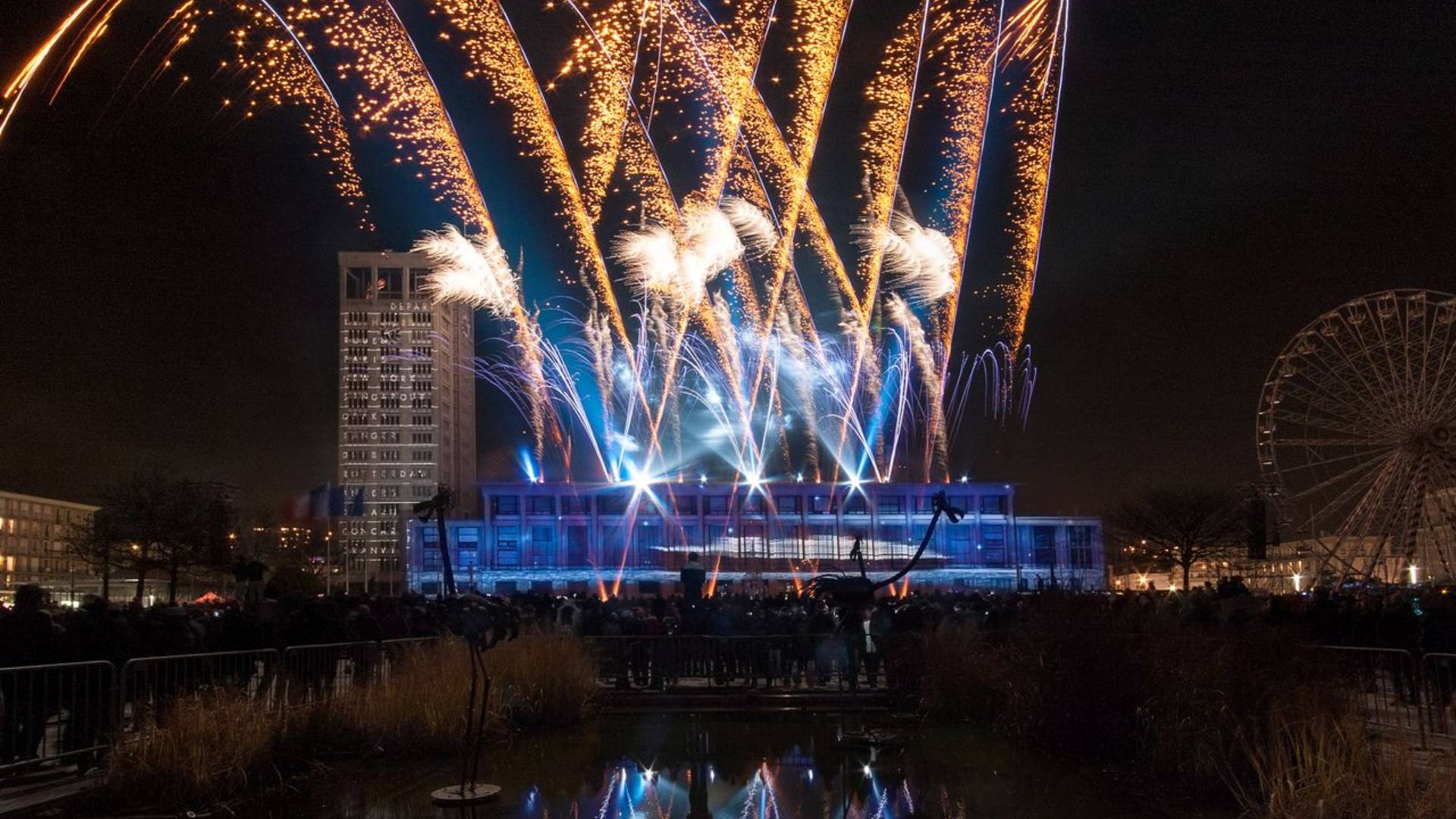
Le Havre: staging the tram opening
In Le Havre, for the opening of a tram line, we took as our subject what the line connects, and this purpose decided the choice of means.
- Firstly, the concept. A single sentence, provided by the client, to which each sequence must relate.
- Next, the site. Its lines of sight, its distances, any potential nuisances, and what it actually allows.
- The means come last. We only keep a language if it says something the others could not say better.
Our recent productions
Set-ups where we combined several media, sometimes with performers on stage.
-
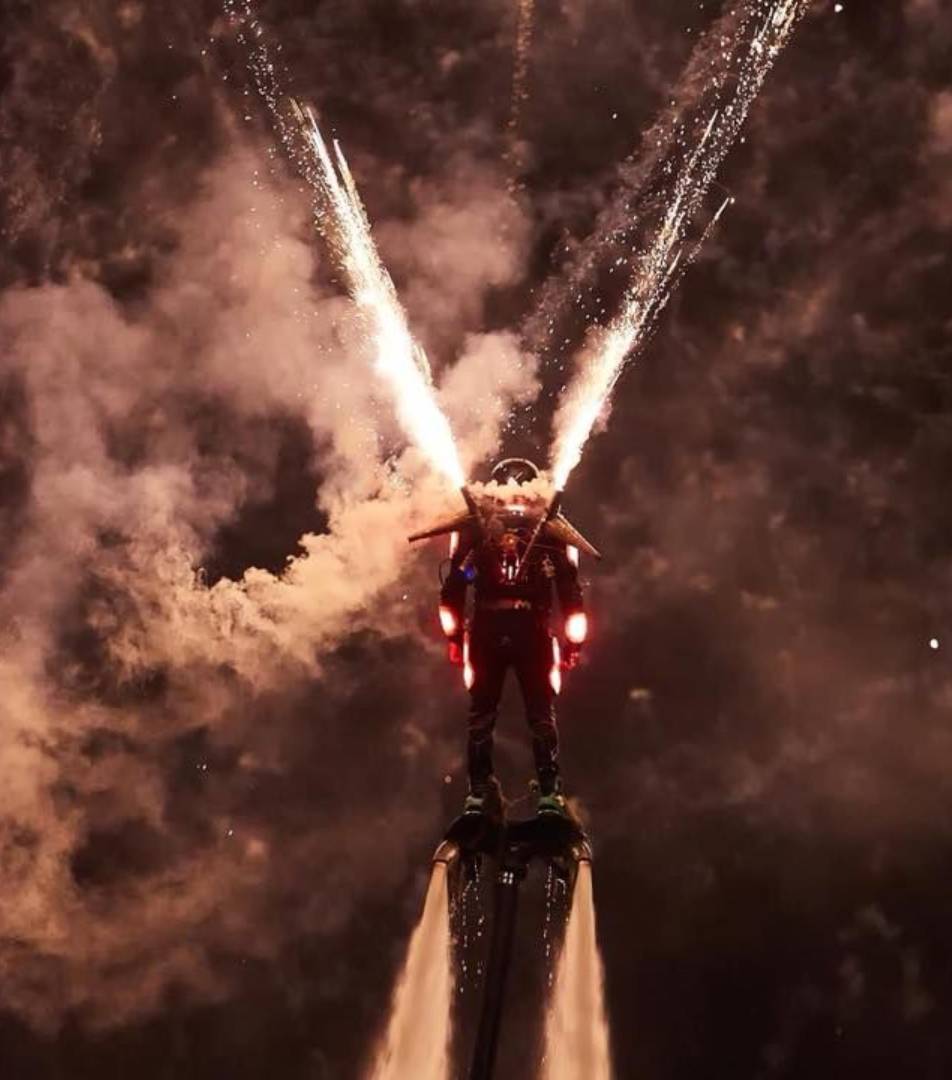
International Flyboard Show with Celesta
View the project: International Flyboard Show with CelestaA format found both in France and internationally We incorporate performers from the Flyboard Show team into our pyrotechnic shows,…
-
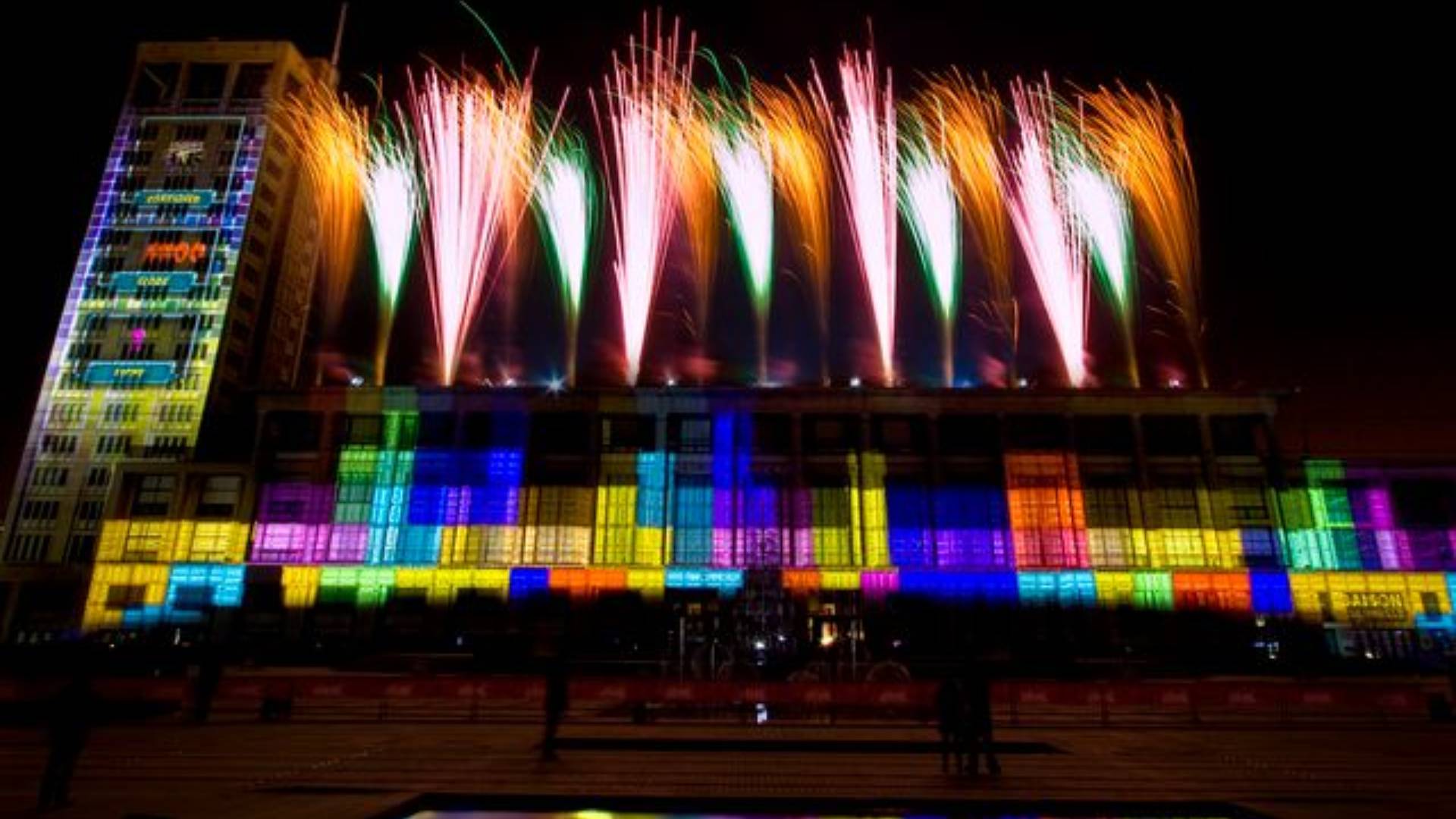
A multimedia show for the Le Havre tramway
View the project: A multimedia show for the Le Havre tramwayA rebuilt city and a new tramway Rebuilt after the war according to Auguste Perret’s plans, Le Havre has renewed…
-
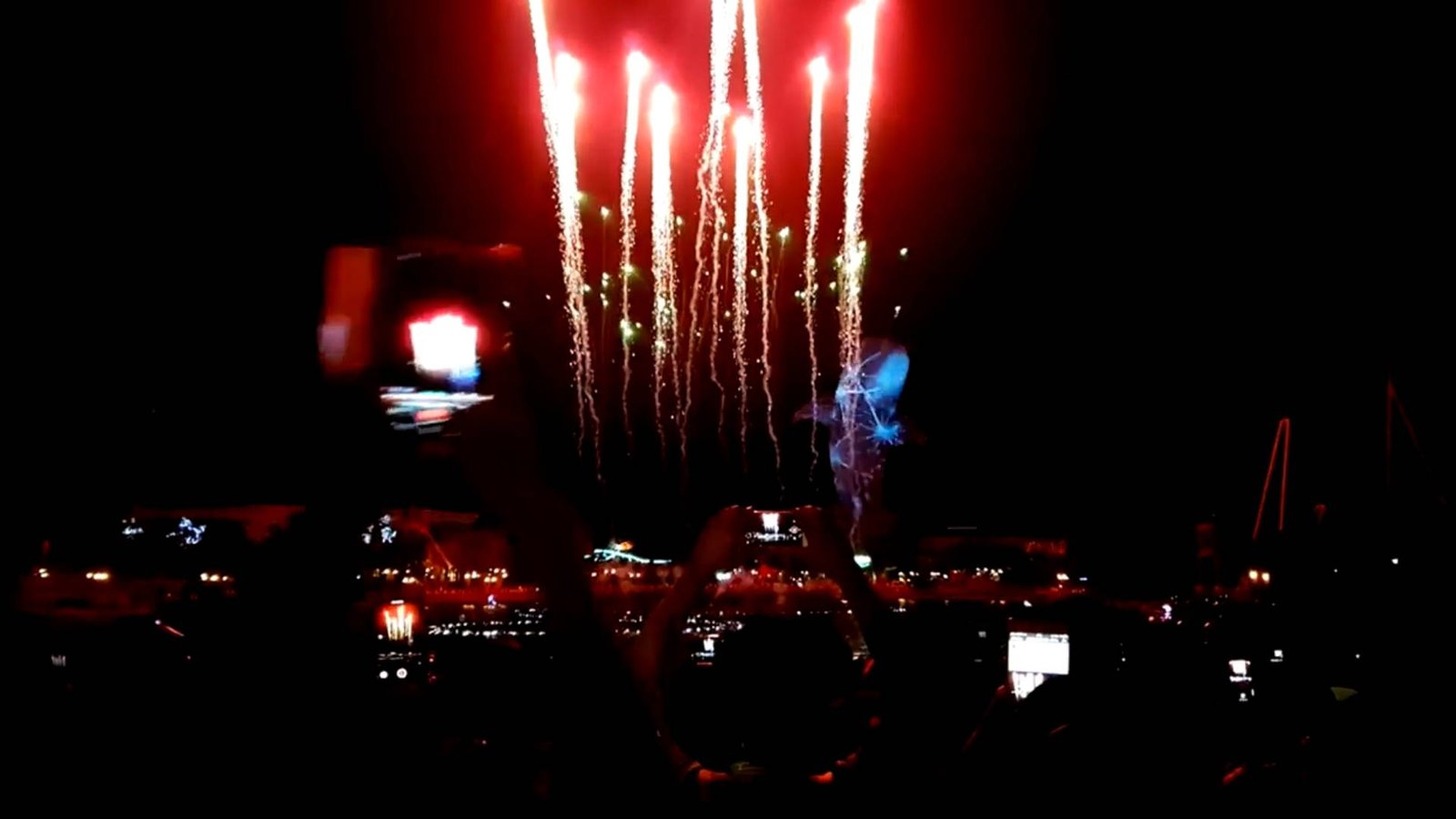
Flyboard Show at Chimelong Park in China
View the project: Flyboard Show at Chimelong Park in ChinaA French production for an Asian theme park Chimelong Park, one of Asia’s largest leisure complexes, commissioned the Flyboard Show…
Performers on stage
Celesta’s other disciplines make the venue their performer. Here, artists can appear: dancers, acrobats, fire or flyboard performers. They are professionals hired on a written running order.
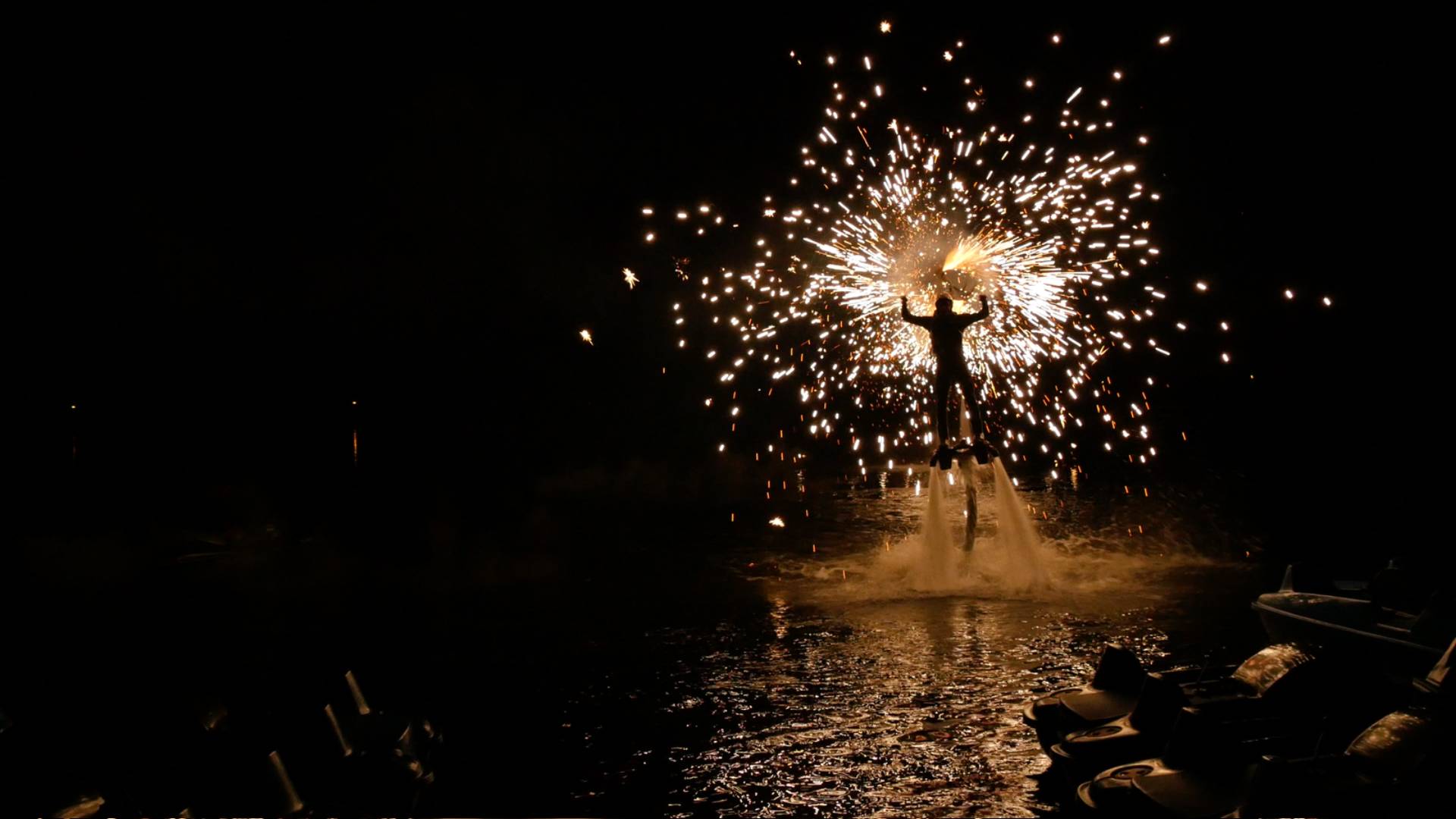
Safety, running order and budget with a performer on stage
With a performer on stage, we adapt three points of the set-up.
- Safety measures are being tightened. An artist working with fire or water requires safety distances, trials and a written chain of command.
- We rehearse the live element. Unlike an automated running order, a performance varies from one night to the next: we rehearse it with the performers.
- The budget moves. Fees, accommodation and stage time are added, and we include them in the quote.
Who decides what
Here is who decides what, and until when.
You
Decide on the topic, the date, the audience size and the budget
We
Let’s choose the languages, their order and the balance between them
5 professions
all gathered in the same house, so there’s only one referee
3 to 6 months
the time between the first meeting and the performance
Just one name at the bottom of the contract
On a multi-media set-up, we sign and operate the whole thing: if there is an incident, you have a single point of contact.
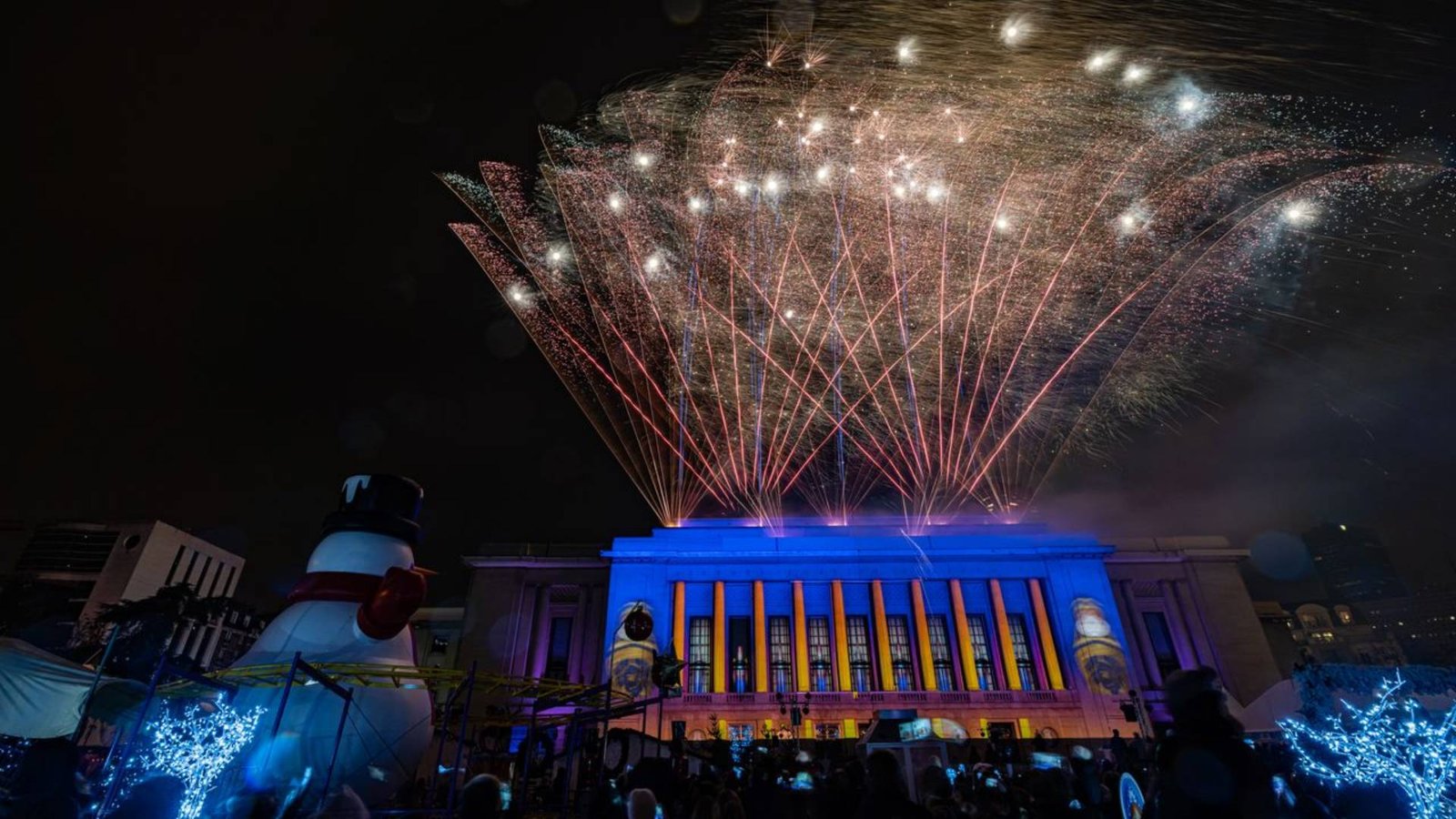
Four points ruled out at the proposal stage
These commitments are written into the proposal you receive.
- A fixed price. The amount stated at the outset is what will be invoiced, including travel expenses and the artists’ fees.
- Coverage that takes effect immediately. You don’t need to make any follow-up enquiries or request any documents before you can process the claim.
- Nothing is outsourced. All five languages are handled by Celesta staff, from marking out to dismantling.
- Shows to see. We open our public dates to anyone who wants to judge for themselves before committing.
Budget for a multimedia production
For a multi-media set-up, our budget benchmarks are the same as for our other shows.
Guidelines by sponsor size
A town with fewer than 5,000 inhabitants costs between 2,500 and 5,000 euros. A medium-sized town or a local authority area costs between 5,000 and 20,000 euros. A large town costs between 20,000 and 50,000 euros. A drone light show starts at 10,000 euros.
Price factors
The number of languages actually used, whether or not there are performers on stage, the complexity of setting up the venue, and the amount of material created specifically for you rather than adapted from existing material.
Included in the amount
Scriptwriting, location scouting, art direction, coordination of the five specialist trades, agreed fees, site operation and reinstatement. If we remove a language along the way, we reduce the amount accordingly.
The five media available
We handle these five trades in-house: we can combine two, three or five of them, and drop one without redoing the whole set-up.
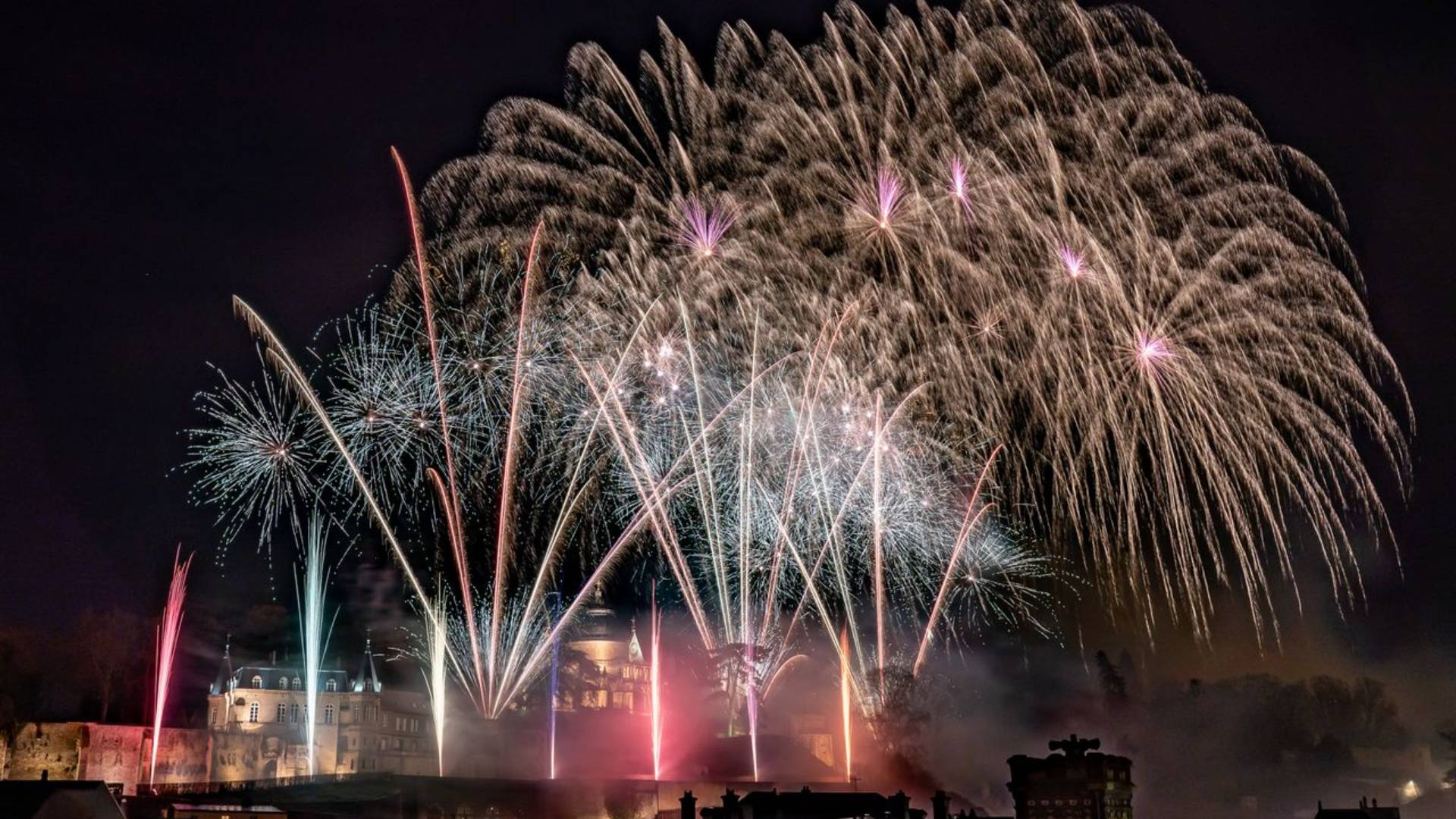
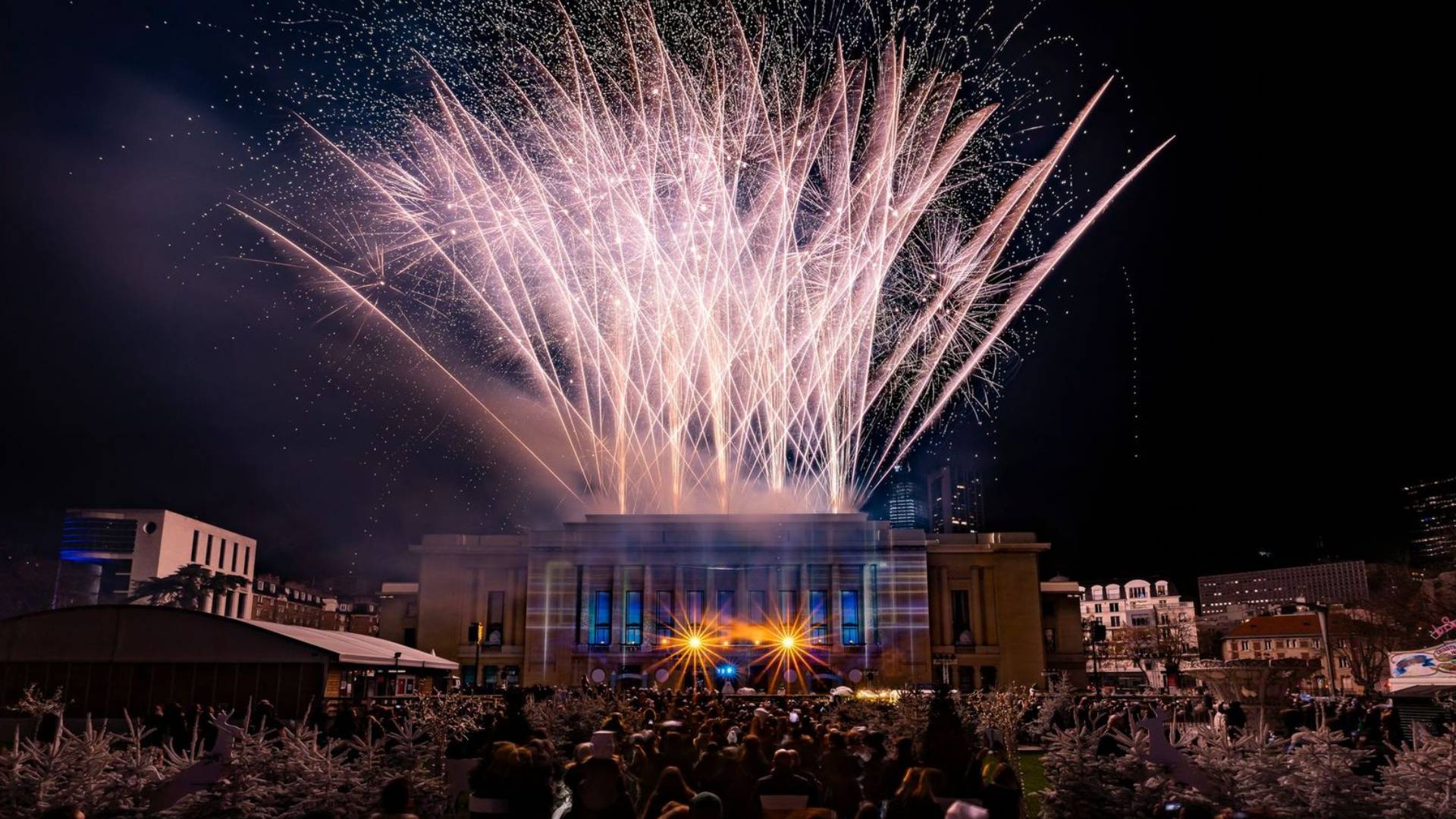
Pyrotechnic show
The scripted display, visible from afar, which our F4-T2 pyrotechnicians set to the time-code.
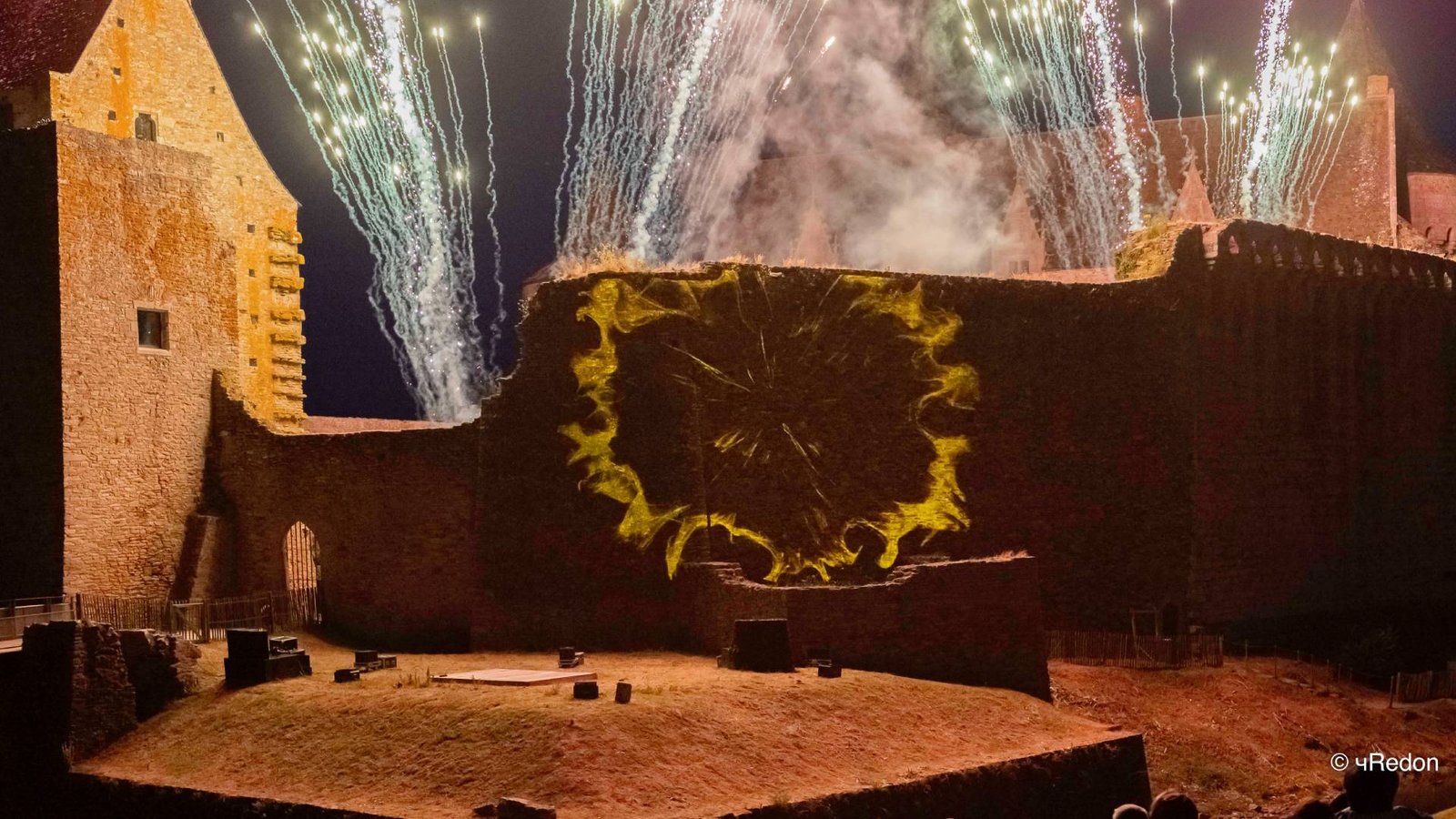
Video mapping
Words and faces projected onto a façade, provided there is enough distance for our projectors.
Sound and light show
Light and sound on a venue, for a long story that the audience follows seated.
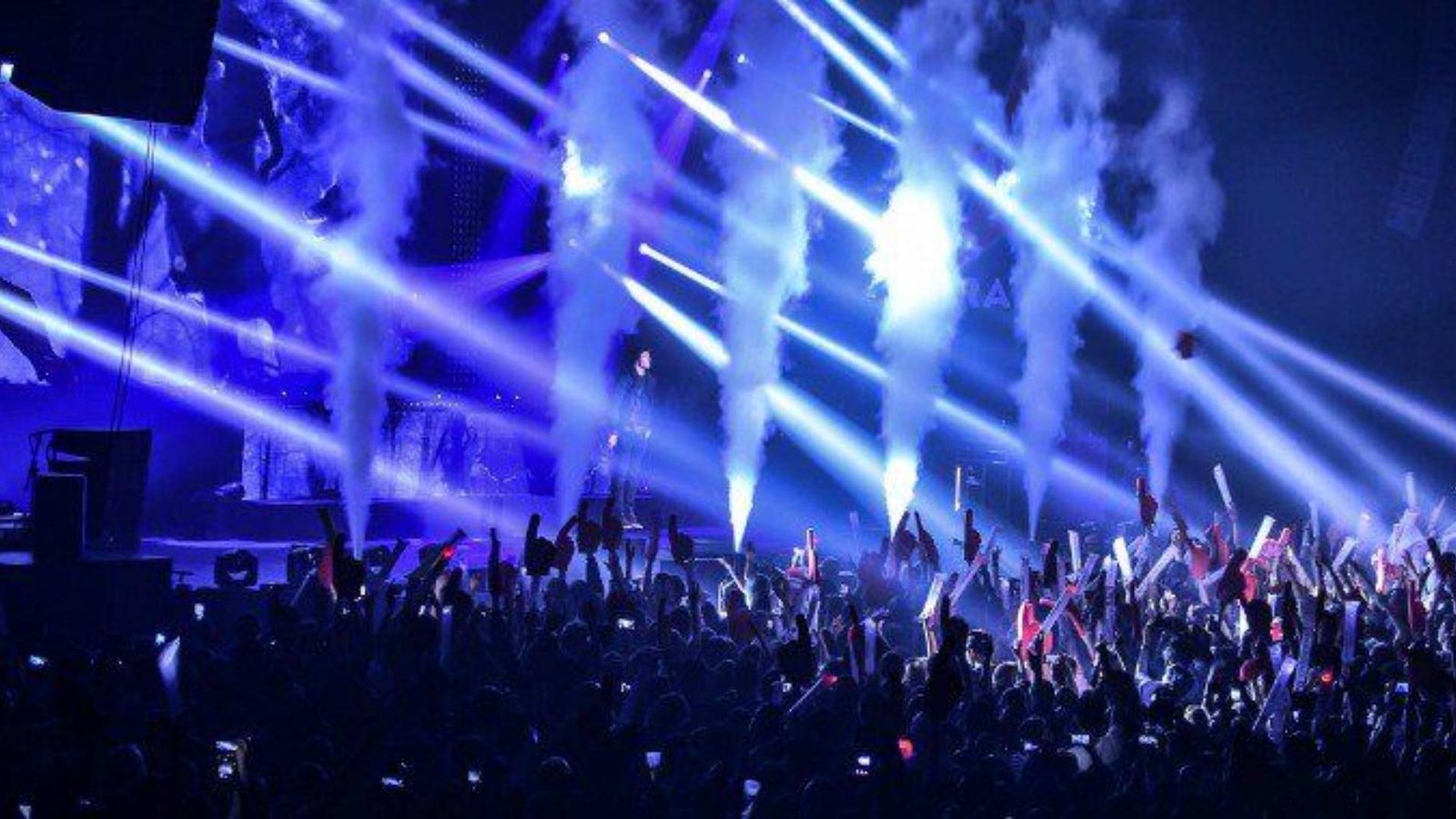
Special effects
Cold sparks, mist and flames, which we trigger a few metres from the audience and even indoors.
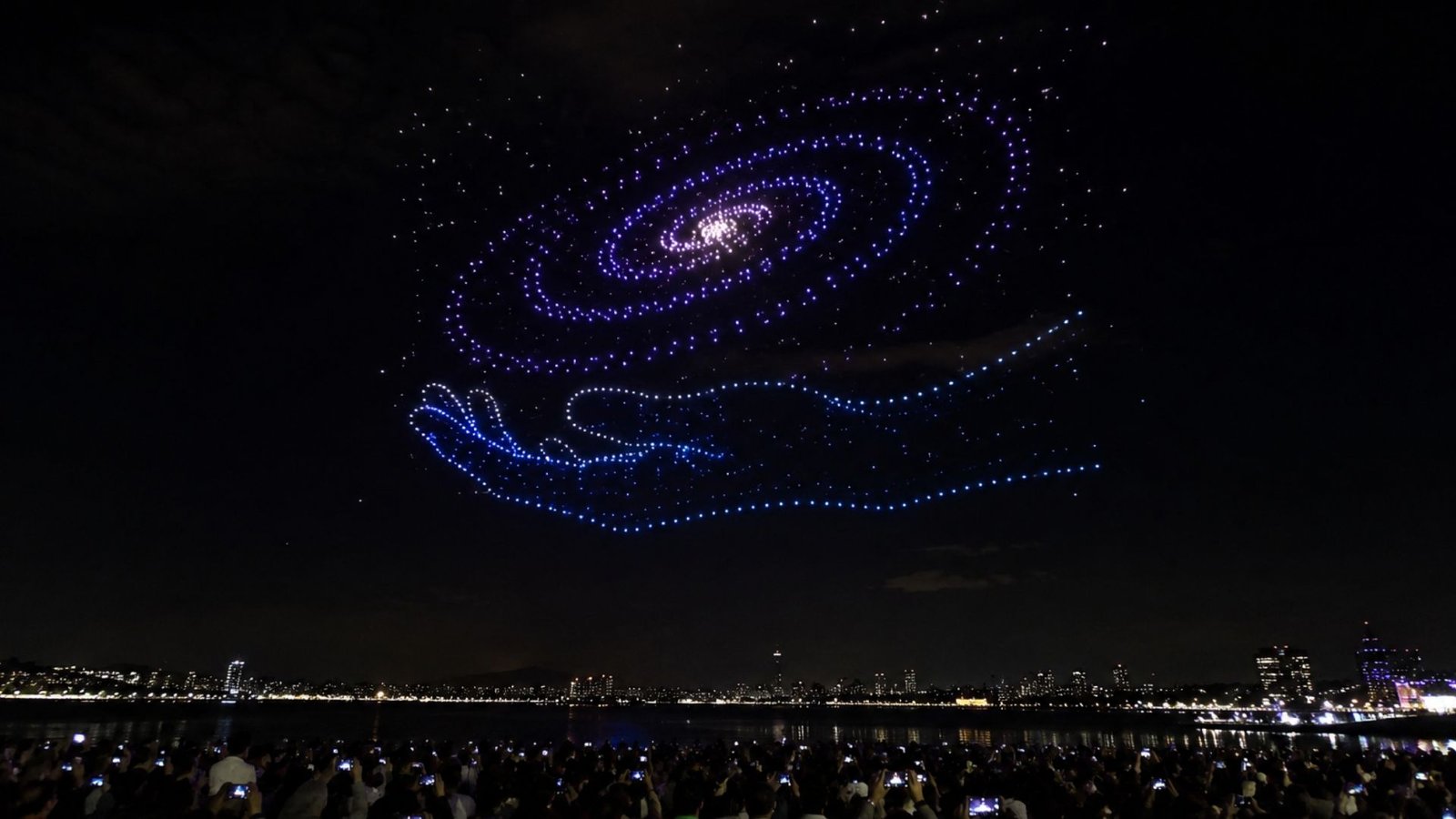
Light drones
Fleets of 200 to more than 2,000 drones, with a flight file submitted at least 45 days before the show.

Present your purpose
No need to come with a list of techniques: an intention, a date and a budget are enough. We send you a written proposal and a costing within forty-eight hours, with no commitment.
- Aigremont and Normandy
- More than 1,000 shows produced
- We’ll get back to you within 48 hours
Your questions about multimedia staging
What is a multimedia production?
We design the whole of a show that uses several media at once: pyrotechnics, projected images, lighting, sound and, sometimes, performers on stage. We decide which to use, in what order and to say what, with the same teams that will deliver the show.
How does it differ from a sound and light show?
A sound and light show is centred on a venue, which it illuminates and provides with sound to tell its story over time, without anyone on stage. A multimedia production, on the other hand, is based on a concept rather than a specific site; it draws on a wider range of artistic forms, may involve performers, and is often presented in shorter sequences. The two formats can, of course, be combined.
Are there any performers on stage?
If the project calls for it, yes: dancers, acrobats, fire or flyboard performers, as in the Flyboard Show International produced by Celesta. They are professionals hired on a written running order. Their presence changes the safety set-up and the budget, and both are costed from the proposal.
How much does a multimedia production cost?
The same guidelines as for Celesta’s other shows apply: from 2,500 to 5,000 euros for a village with fewer than 5,000 inhabitants, from 5,000 to 20,000 euros for a medium-sized town or a local authority group, from 20,000 to 50,000 euros for a large city. The number of artistic disciplines involved and the presence of performers account for most of the variation in prices. A drone light show starts at 10,000 euros.
Who decides what goes into the show?
You set the purpose, the date, the audience size and the budget. We then choose the media, their order and their balance, and submit a written proposal to you before any production.
Can we incorporate light drones?
Yes, and this has been common in recent years. Its schedule depends on a flight authorisation, to be submitted forty-five days before the flight, and it starts at 10,000 euros. We detail its restrictions and uses in our presentation of the drone show.