For an event in the open air or on public roads, safety requirements become more stringent as night falls: crowd management, pyrotechnic displays, laser beams, noise levels, and regulations governing traffic or the use of public spaces.
For local authorities, festival committees and event organisers, this guide summarises the relevant regulations, the mandatory procedures to be followed with prefectures and town halls, and the precise timetable to be adhered to.
Notifying an event on public land
Whenever a night-time event takes place on public land (streets, squares, local parks), the Internal Security Code requires prior notification.
- Prior notification to the town hall: submit your application for temporary occupation of public land (AOT).
- Local by-laws: necessary for managing road closures, traffic diversions or the reservation of parking spaces for service vehicles.
- Statutory deadlines: the application must be submitted between 15 days and 3 months before the event. A minimum lead time of 1 to 2 months is recommended to allow for safety committee meetings to be held if the set-up requires temporary structures (stages, grandstands).
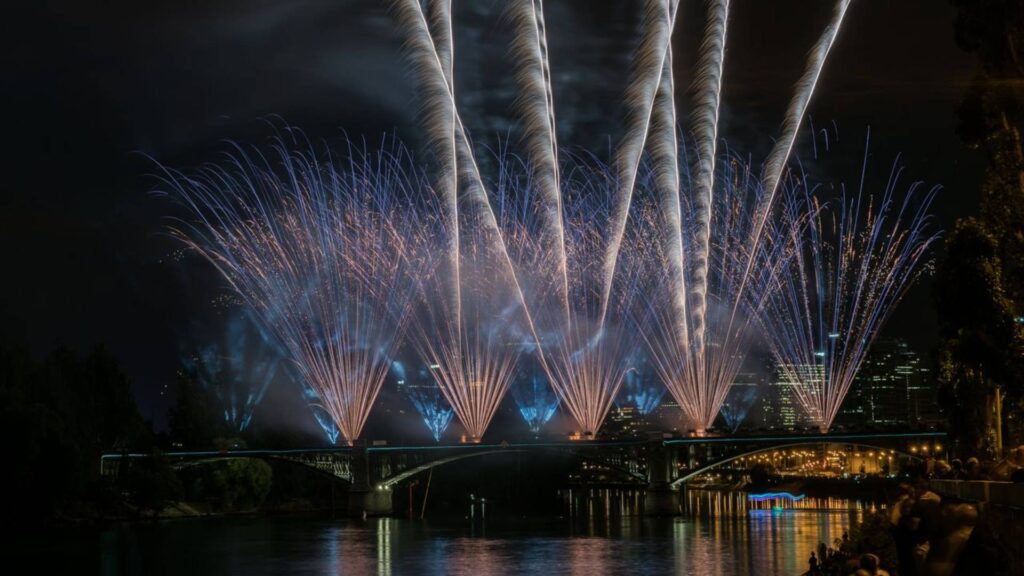
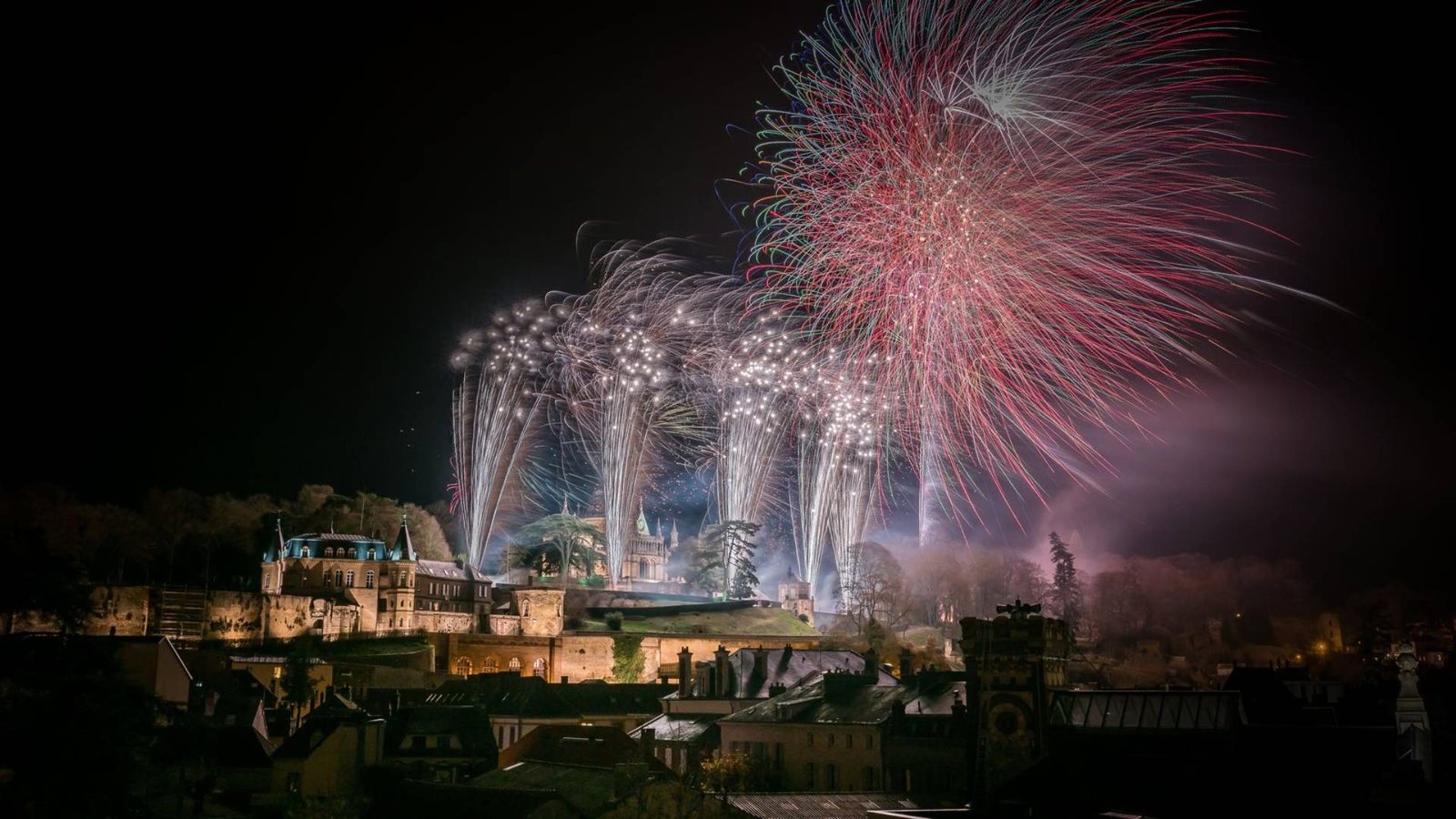
Regulations governing pyrotechnic shows and fireworks displays
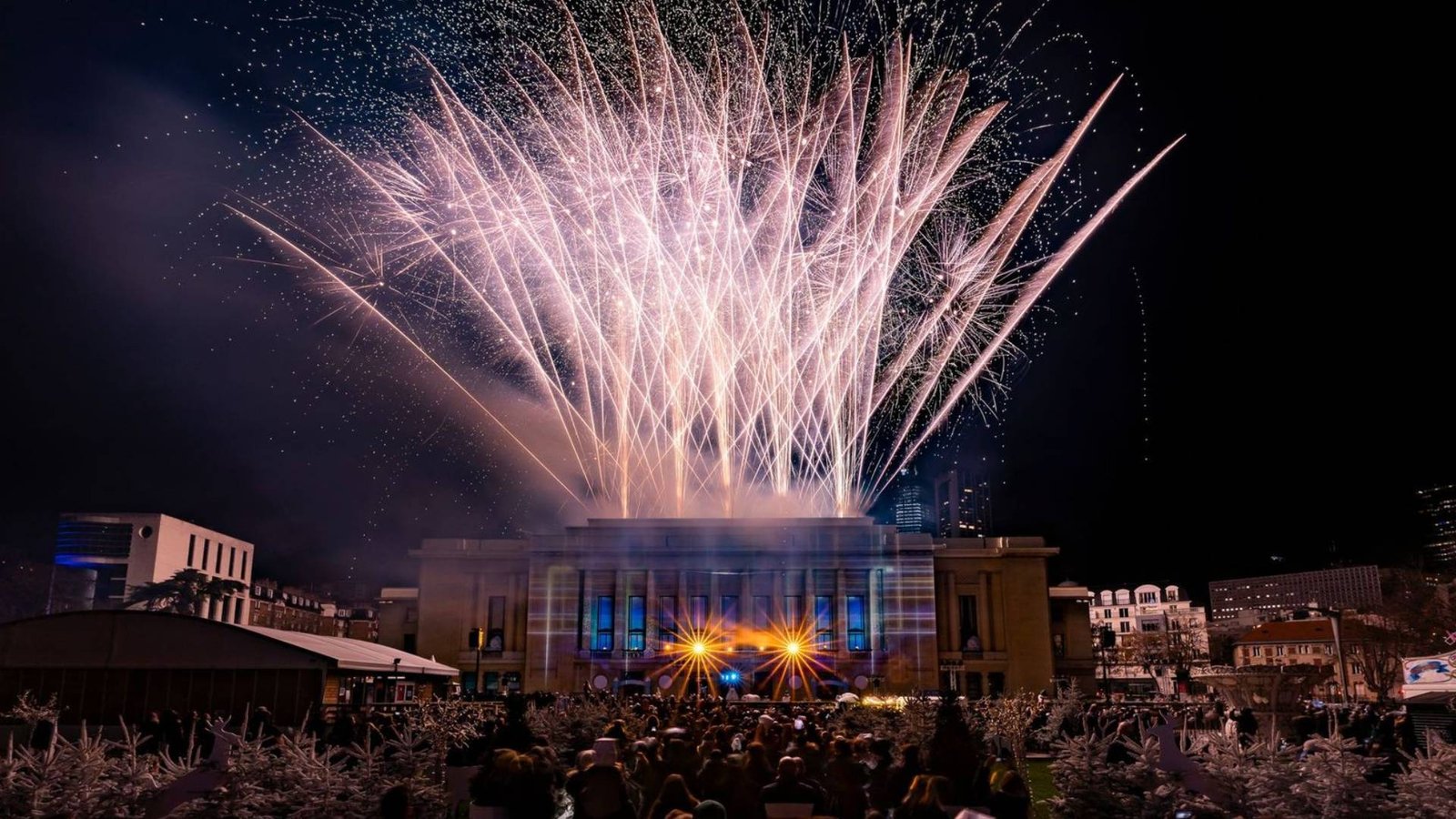
If the event includes entertainment effects such as a fireworks display, the requirements vary depending on the category of the products and the quantity of active material (K3 or K4/F4).
Notification thresholds for fireworks
- F2/F3 fireworks on private property: no prior notification is required provided that the total quantity of active material remains below the 35 kg threshold.
- Pyrotechnic shows (F4 or T2 fireworks, or those containing more than 35 kg of active material): a prefecture declaration and a local council declaration are required.
Deadlines and form
- Official form: Cerfa No. 14098*02.
- Mandatory deadline: at least one month before the firing date.
- Documents to be provided: site plan of the firing zone (clearance, safety distances), certificate of qualification for the pyrotechnician (F4/T2), certificate of public liability insurance for the pyrotechnics company, product data sheets and written consent from the landowner.
Be aware of summer prefectural orders: during heatwaves or droughts, prefectures frequently issue temporary bans on firing to prevent fires. We monitor these orders daily as the date approaches.
Laser displays and night-time special effects
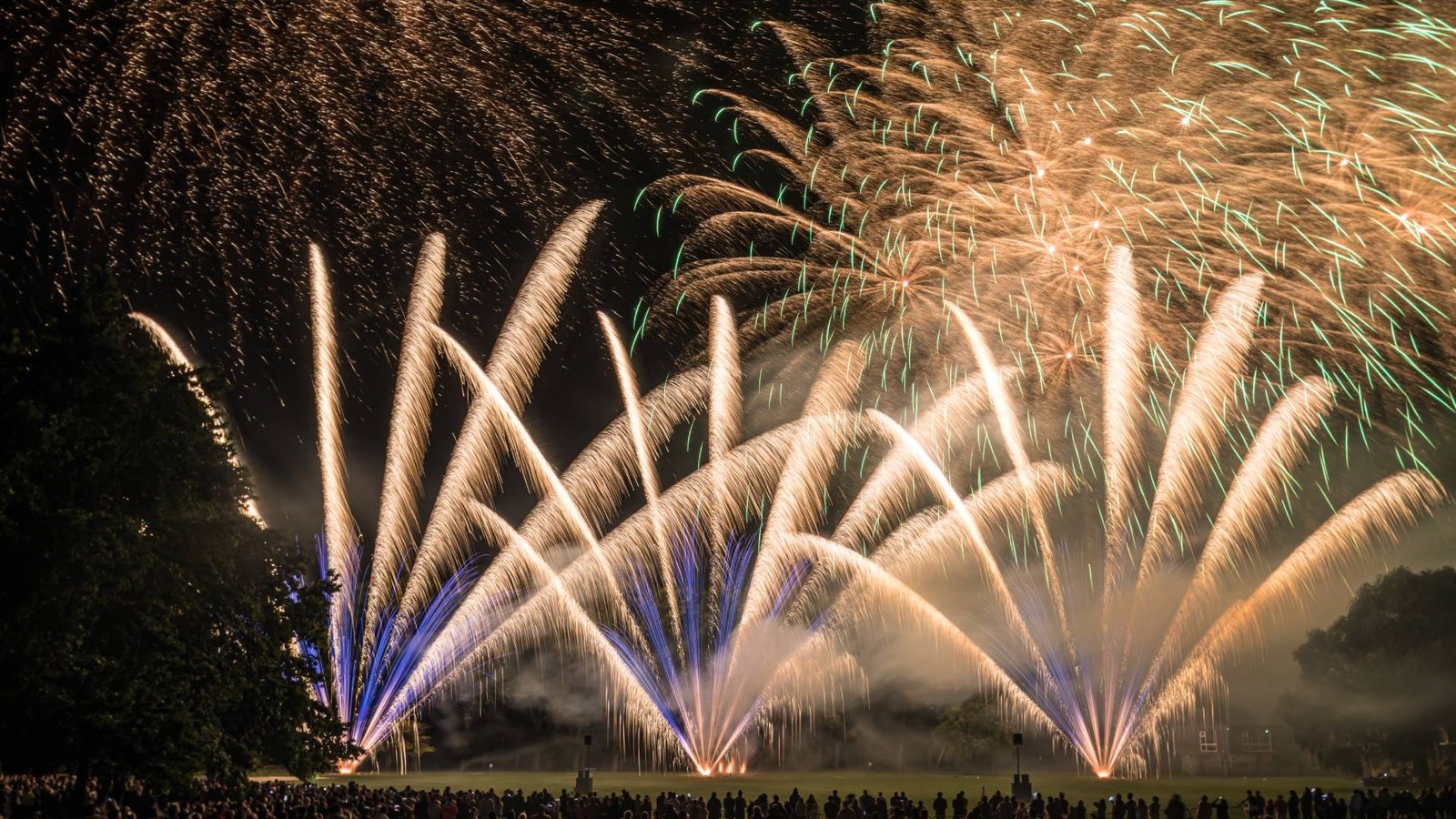
High-powered spotlights and stage lasers add a striking visual element to night-time events, but their use is strictly regulated for reasons of visual safety and air navigation.
- Class 1 and 2 lasers: the organiser or service provider may operate them under their own responsibility, whilst ensuring that nearby aerodromes or airports are notified.
- Class 3B and 4 lasers: prior notification to the prefecture is compulsory.
- Deadline: the application and technical dossier (including the firing plan, beam orientation and safety perimeter) must be submitted to the prefecture at least one month before the event, including test firings.
Noise, public safety and copyright
The technical and safety aspects are accompanied by cross-cutting initiatives:
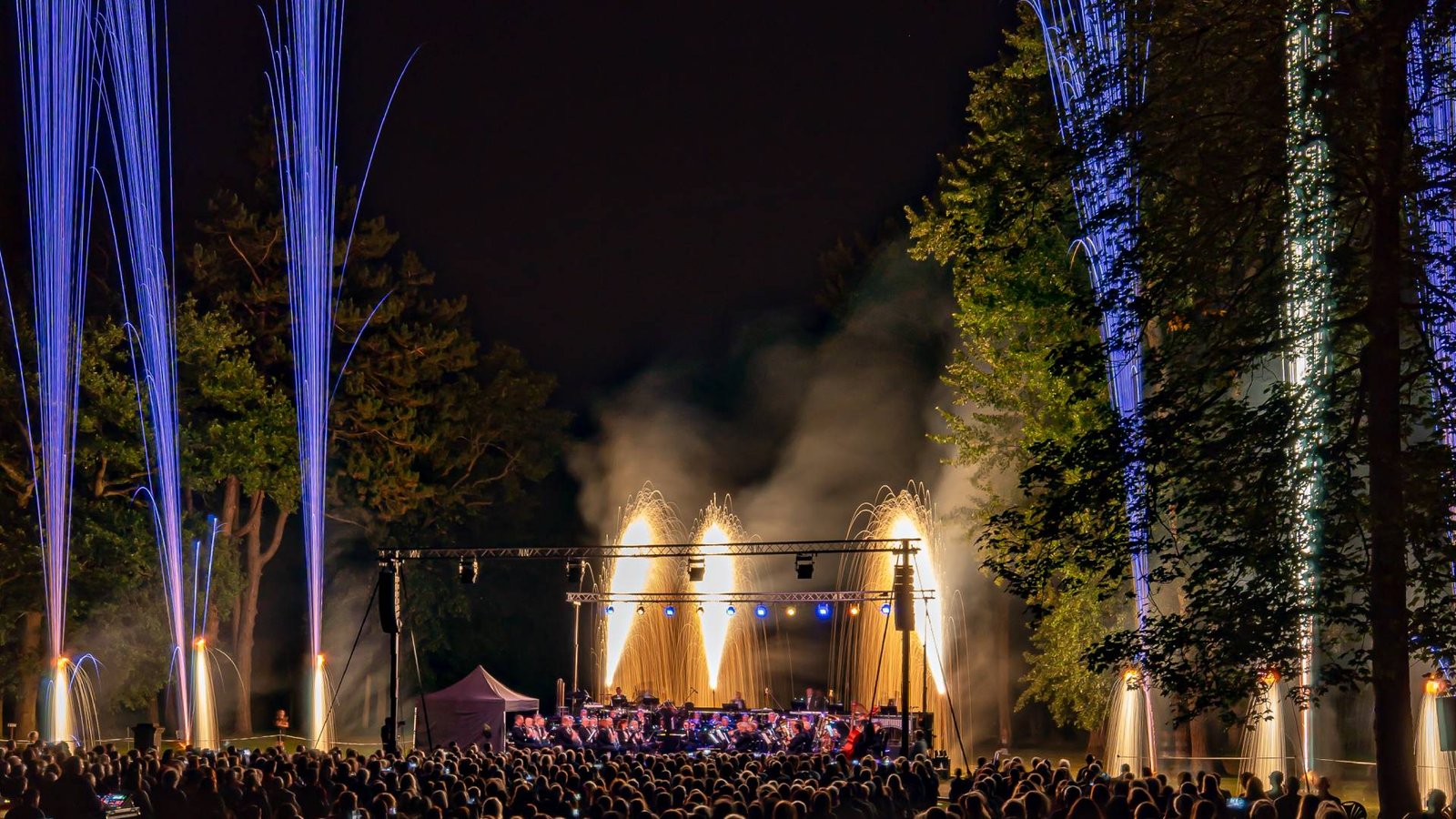
- Noise levels and public peace: noisy night-time events must comply with the decree on the prevention of risks associated with noise and amplified sound (thresholds set at 102 dB(A) over a 15-minute period). It is strongly recommended that local residents be informed in advance.
- Temporary premises open to the public (ERP): the erection of tents, marquees or mobile structures (CTS) open to the public requires approval from the safety committee if the capacity so requires.
- SACEM and SPRE: the broadcast of original or recorded music must be declared in advance via the SACEM portal at least 15 days before the event date in order to qualify for reduced rates.
Summary timetable of steps to be taken
| Administrative procedure | Body or authority | Minimum statutory notice |
|---|---|---|
| Application for an event on public roads | Town hall or prefecture | 1 to 3 months before |
| Notification of a pyrotechnic show (F4 or over 35 kg) | Prefecture and town hall (Cerfa 14098*02) | 1 month before |
| Class 3B or 4 laser declaration | Prefecture, events department | 1 month before |
| Application for a safety committee review | Town hall, prevention department | 1 month before |
| Music broadcasting declaration | SACEM | 15 days before |
| Application for a traffic or parking order | Town hall or highways department | 15 days to 3 weeks before |
Celesta submits and tracks the six applications in the timetable for you, with each point of contact.
Turnkey support to secure your administrative procedures
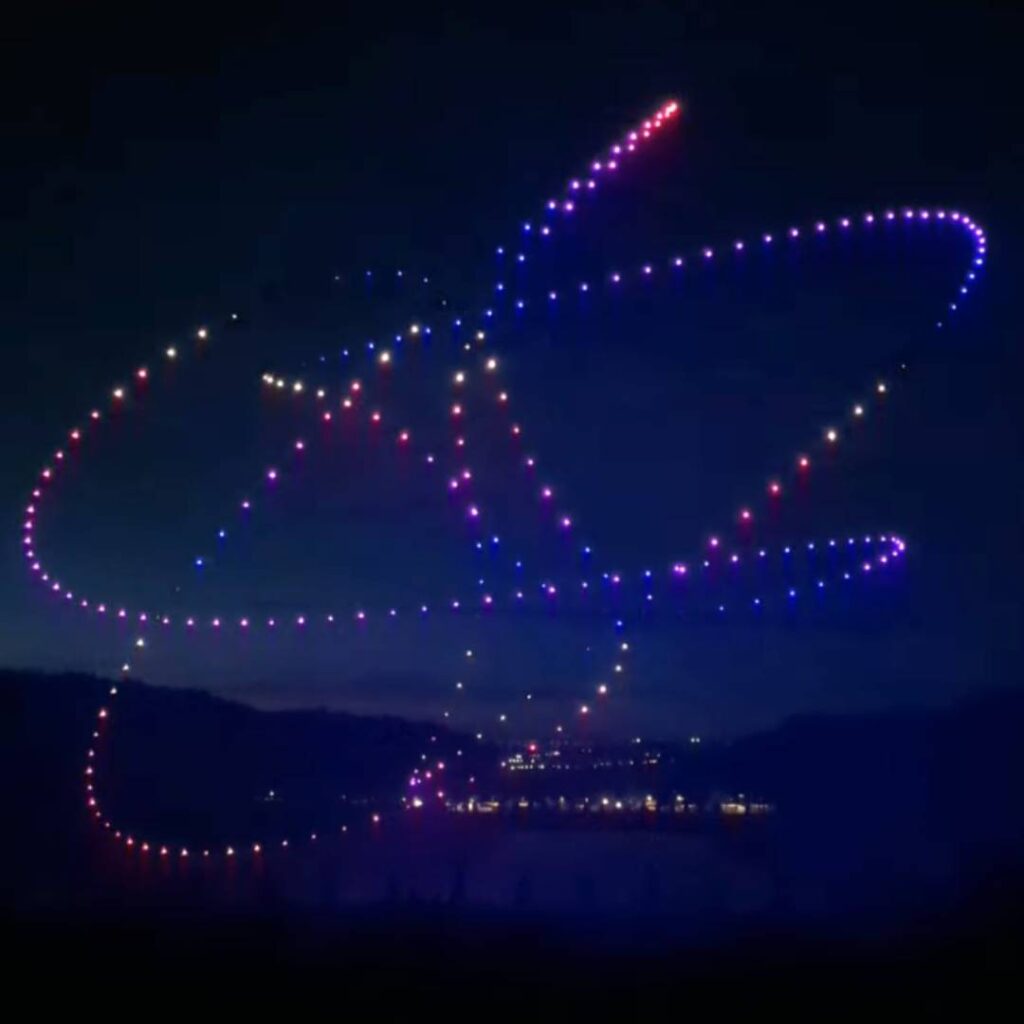
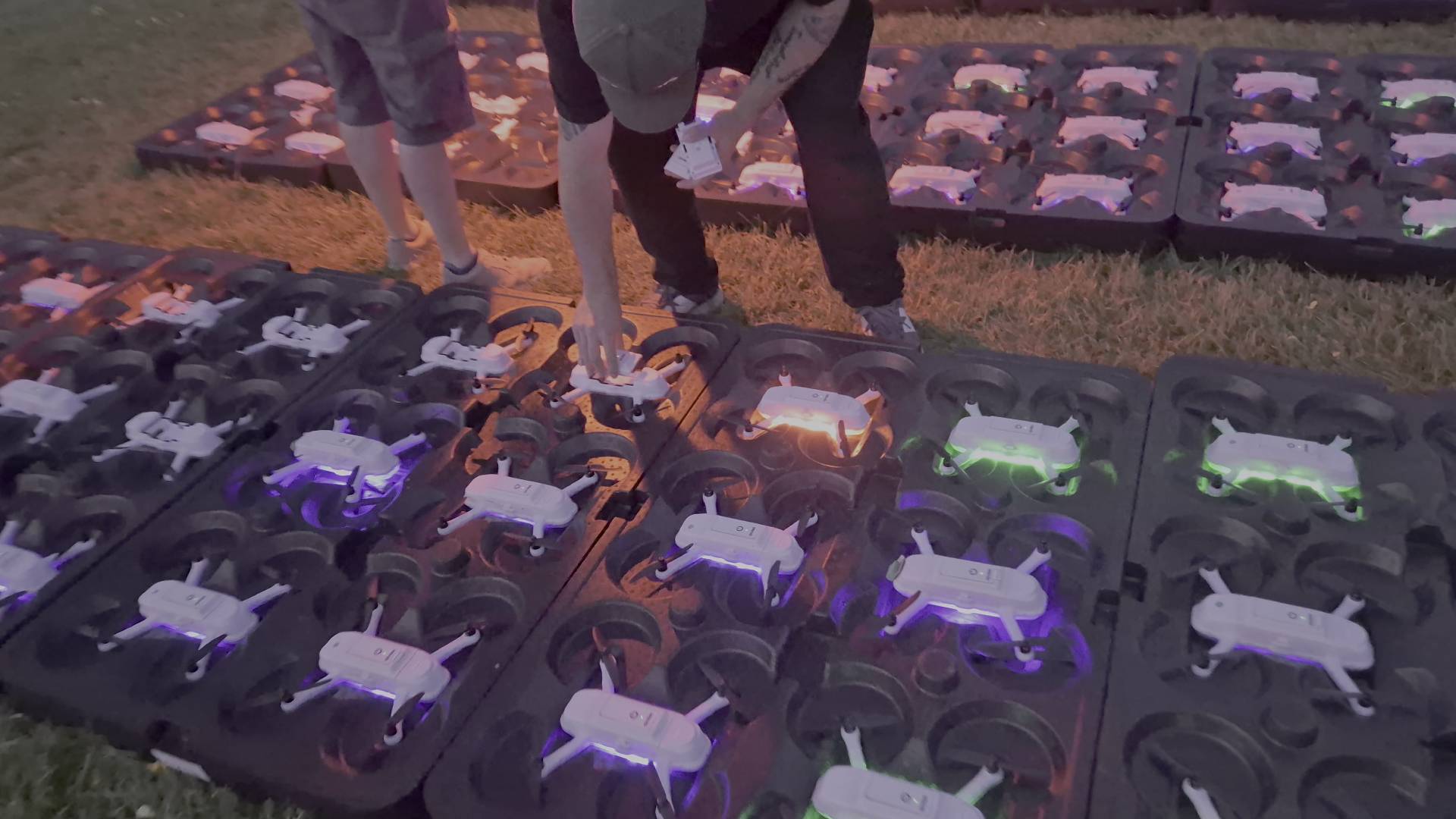
Designing an immersive show, a pyrotechnic show or a drone light show also involves dealing with prefectural authorities, compiling Cerfa applications, validating safety perimeters and monitoring prefectural drought decrees. Celesta supports local authorities, associations and businesses throughout the entire process:
- Comprehensive administrative support: drafting the full technical dossier, submitting Cerfa prefecture declarations and liaising directly with the regulatory authorities.
- Technical compliance and safety: drawing up layout plans, calculating firing or projection ranges, and deploying certified pyrotechnicians or technicians.
- Responsiveness to regulatory uncertainties: ongoing monitoring of local prefectural restrictions (heatwaves, strong winds) with proposals for technical adjustments where necessary to avoid outright cancellation.
Celesta handles these procedures for pyrotechnic shows and drone shows alike, and provides a fixed price in the quote.
Planning a night-time show? We’ll provide a quote within 48 hours and take care of all the administrative procedures.