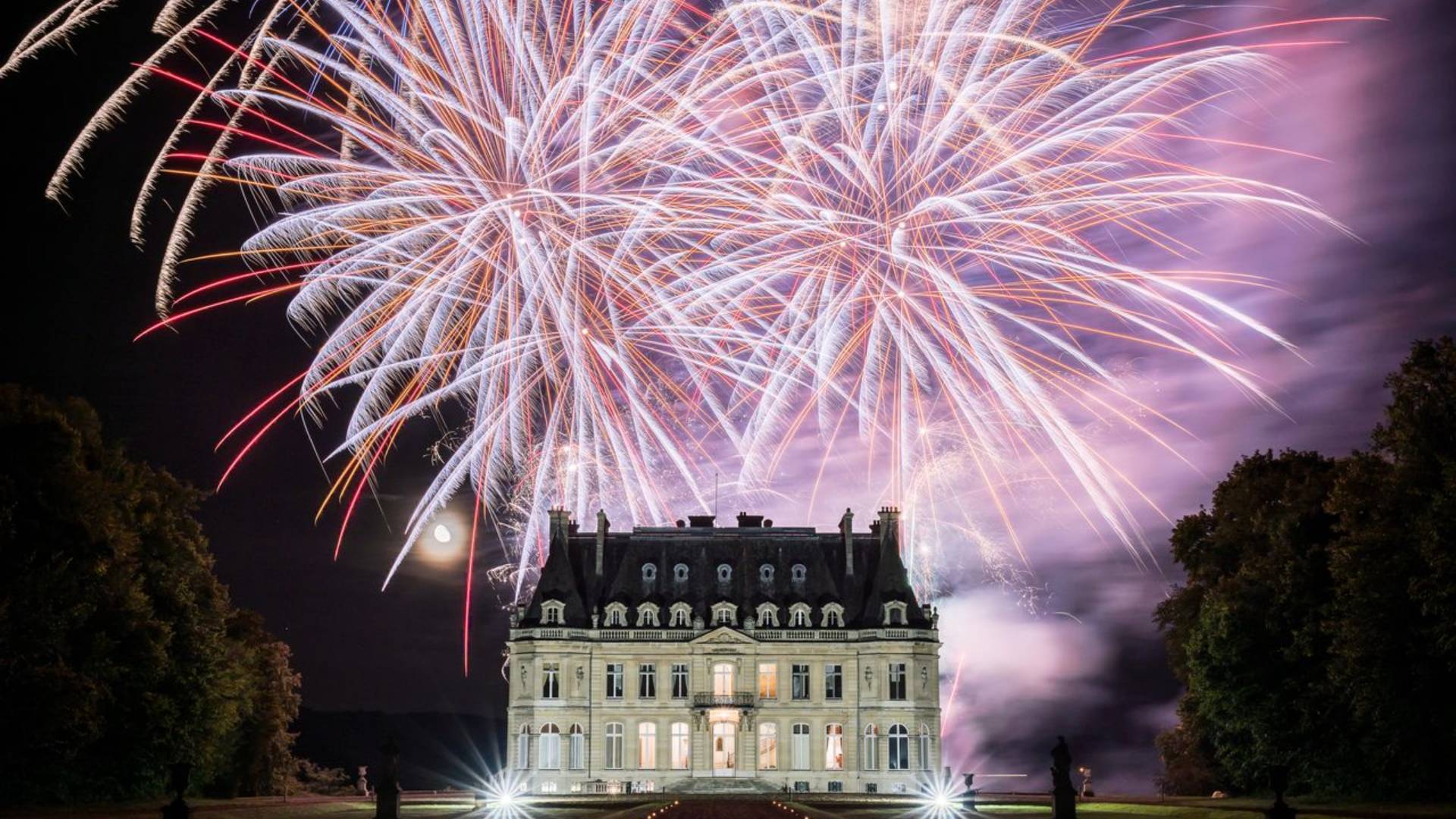
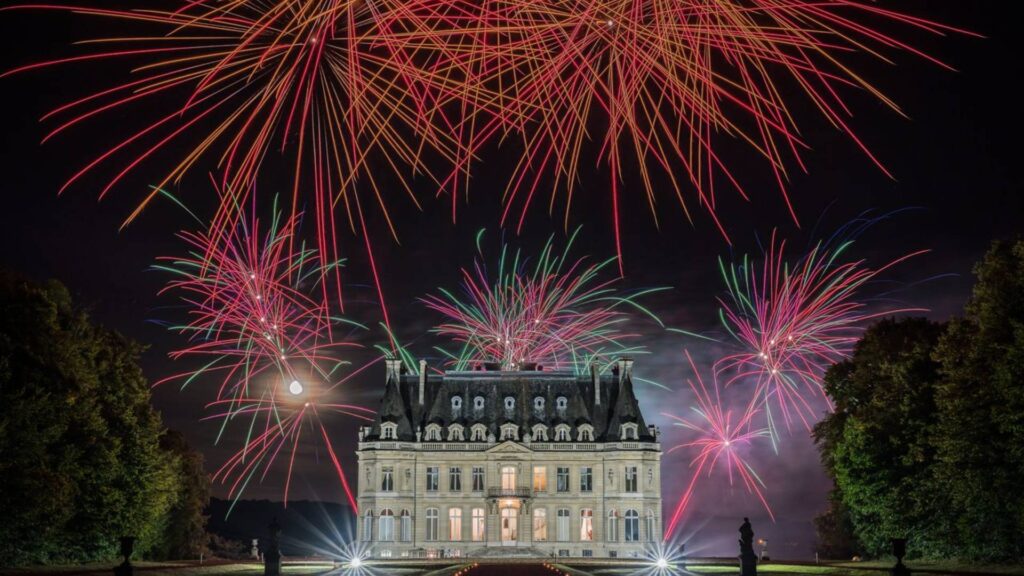
The French photography magazine Chasseur d’Images devotes its “Œil du pro” (the professional’s eye) column to Frédéric Lepla, a photographer of pyrotechnic events. The interview, titled “Seven questions for Frédéric Lepla”, appears in issue 480, dated December 2026 and on newsstands since 18 November. Among the photos illustrating it is a Celesta fireworks display fired at Dangu Castle, in Normandy’s Eure department.
He talks about his career, how he prepares a shoot and his advice for photographers who are starting out.
Frédéric Lepla’s career
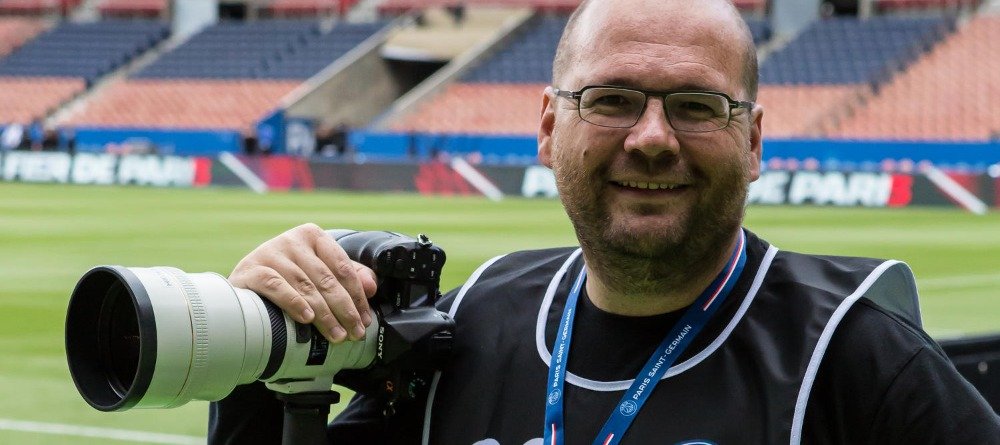
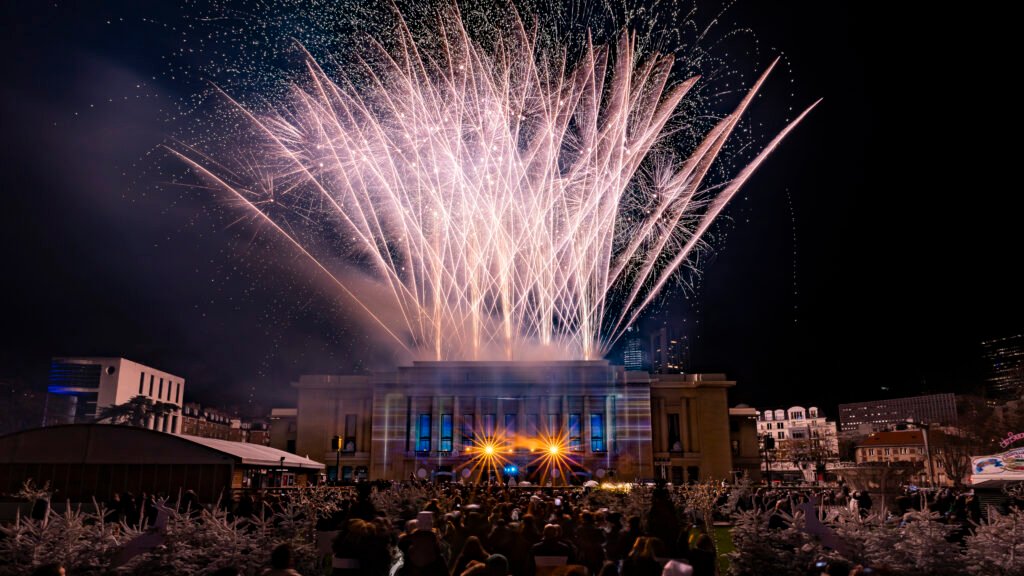
Based in the Oise department, north of Paris, Frédéric Lepla started out as a general photographer, covering weddings and corporate events. He turned to fireworks because they are fired in the evening, outside his working hours. From 2010, renowned pyrotechnicians brought him onto their shows, in France and abroad, and pyrotechnics became his main activity.
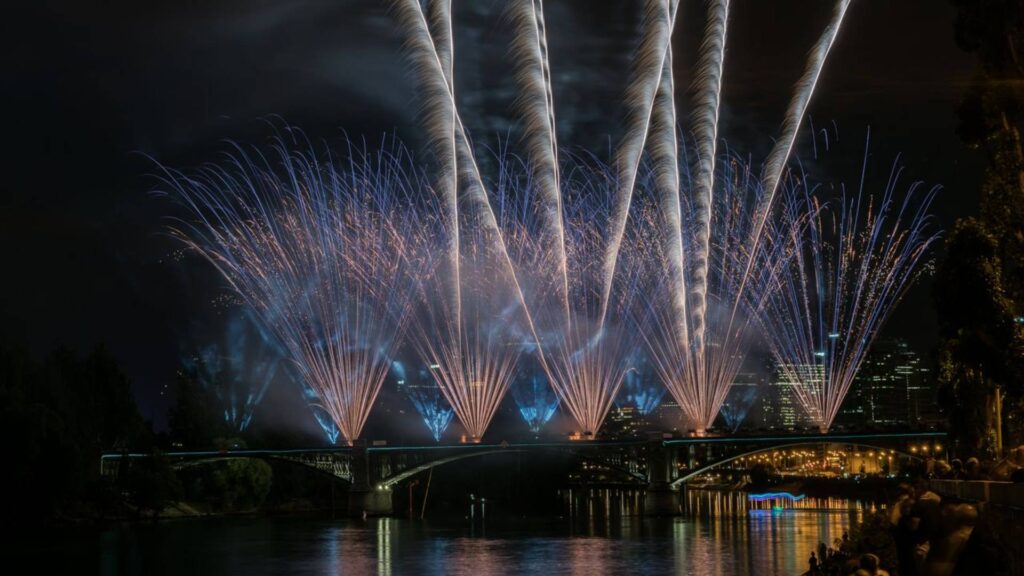
His assignments have taken him to Japan, Vietnam, Chile, the Middle East and as far as Papua New Guinea. In France, the shows he has photographed include:
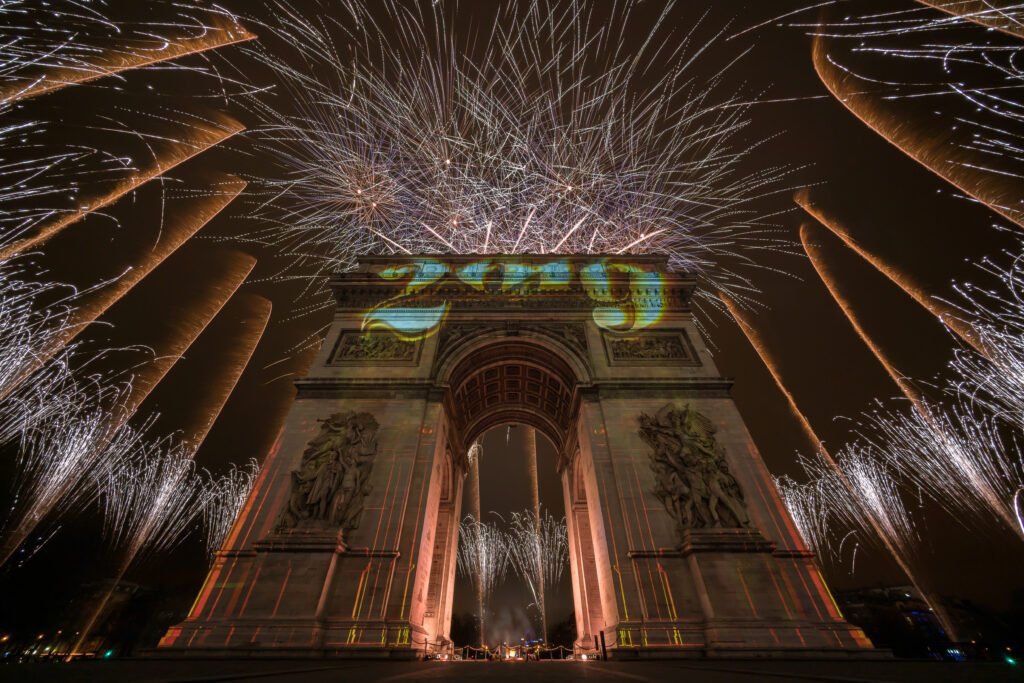
- the New Year’s Eve show in Paris, at the Arc de Triomphe;
- the 14 July 2026 celebration in Levallois and Courbevoie;
- the Festival des forêts (Forest Festival);
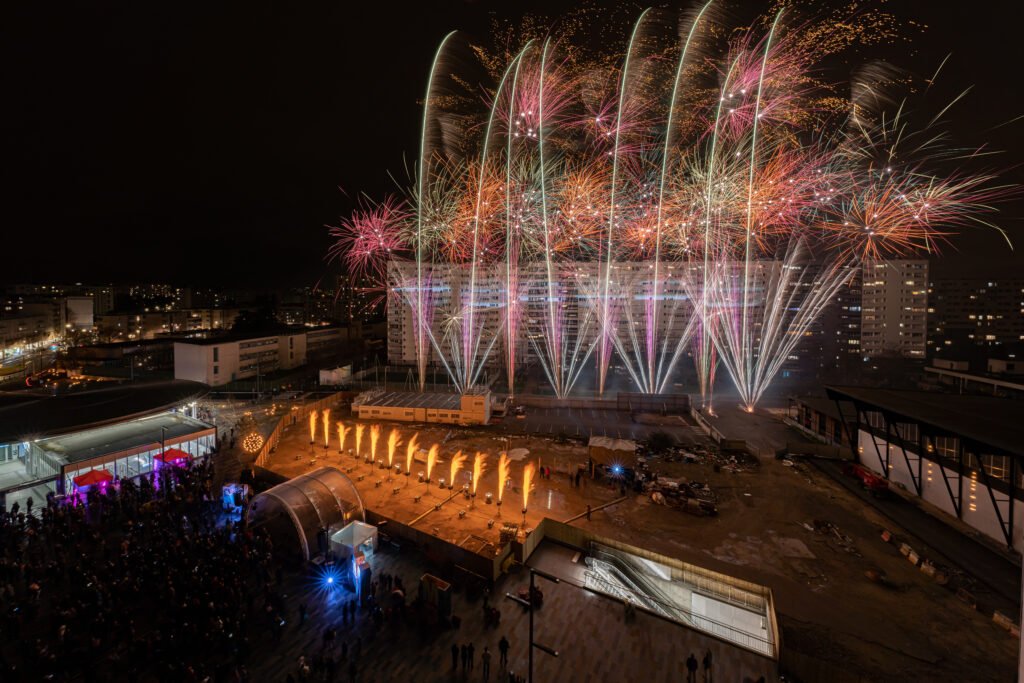
- a fireworks display in Puteaux;
- the opening of the metro in Bagneux.
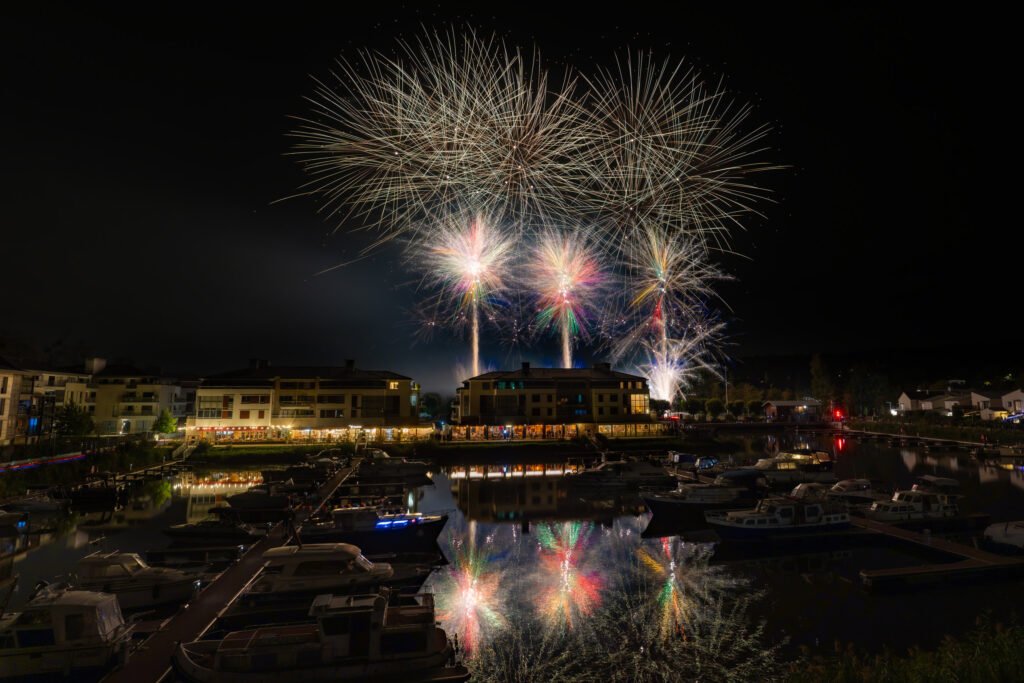
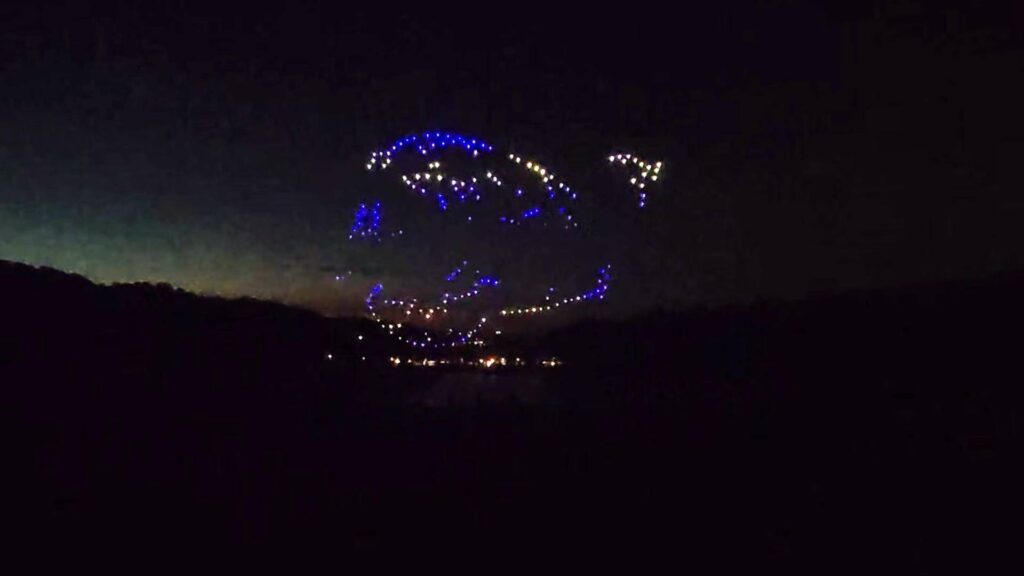
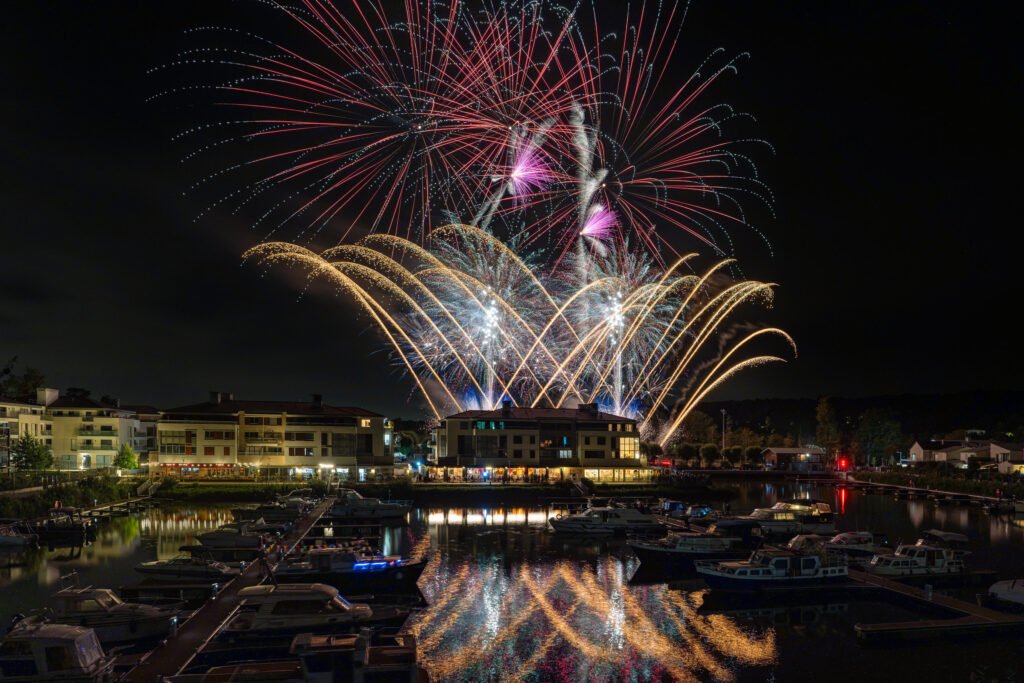
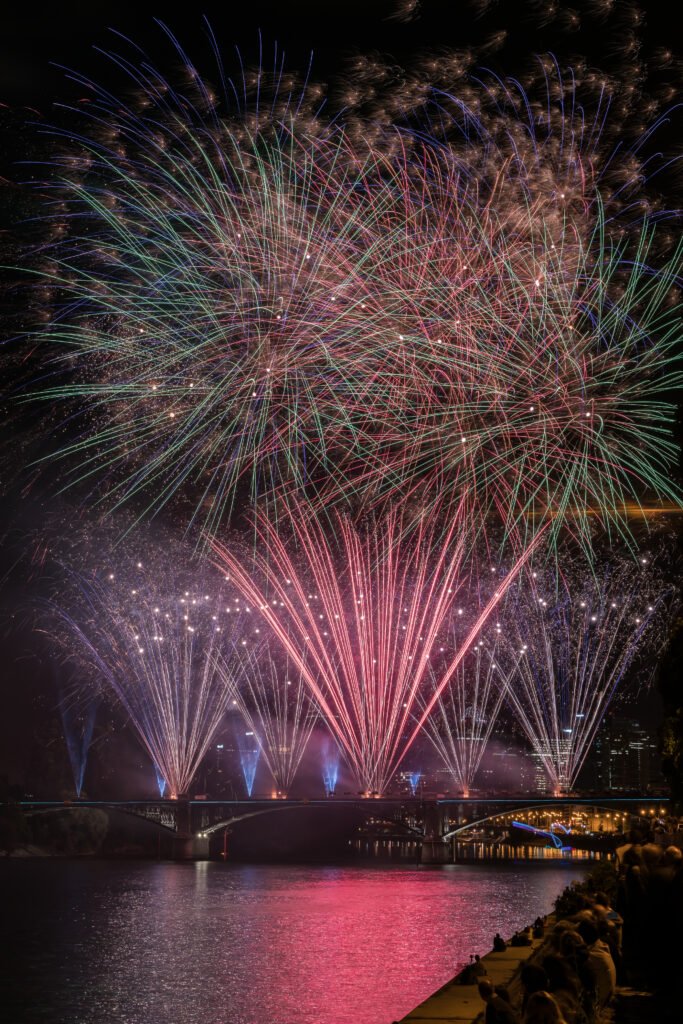
For Celesta, he has photographed the private parties at Dangu Castle and, on 18 September 2026, the fireworks and drone show at the L’Isle-Adam Marina.
Preparing a fireworks photo
For Frédéric Lepla, a good fireworks photo is first of all a good landscape photo. Before the display, he looks for his viewpoint on Google Maps or Google Earth, based on the site, the firing position and the framing he wants.
He then has to be able to set up there. Access is negotiated with the pyrotechnics company and with the client who ordered the display, so that everyone cooperates and the photographer can reach the right spot.
Several remotely controlled cameras
Having moved from film to digital, Frédéric Lepla now works with several Sony Alpha 7R VI bodies. He places them in different spots and triggers them remotely, which gives him several viewpoints on the same show, in photo or video depending on the client’s request. His lenses are mostly wide-angle.
He fits the same filters on all his lenses to keep identical colours from one photo to the next. Neutral density filters lengthen the exposure without stopping the aperture down too far, which avoids the loss of sharpness caused by diffraction.
Little retouching
He aims to get as much as possible in camera. Corrections are made in Lightroom, on density and noise, without compositing or stacking images.
His advice for beginners
To photographers who want to try it, Frédéric Lepla points out that digital lets you make mistakes and learn by reading the shooting data of your images. His starting settings are simple:
- a long exposure in Bulb mode;
- a tripod;
- a remote release, to trigger without touching the camera;
- the camera’s noise reduction turned off.
Around Paris, he names two places to practise: the Palace of Versailles, with its night-time shows on summer weekends, and Vaux-le-Vicomte, in Seine-et-Marne, with its candlelight evenings. He gives more advice on his website.
Asked about summer 2026, he says the heatwaves and drought hit his French clients hard: one of his 14 July displays, fired over water, was postponed to September.
The fireworks at Dangu Castle
At Dangu Castle, we fire fireworks displays for weddings, birthdays and corporate evenings. The power and height of the display are set for the grounds and the old buildings, and the fireworks close the reception at the time agreed with the hosts. In the photos, the lit façade of the castle forms the foreground for the bursts.
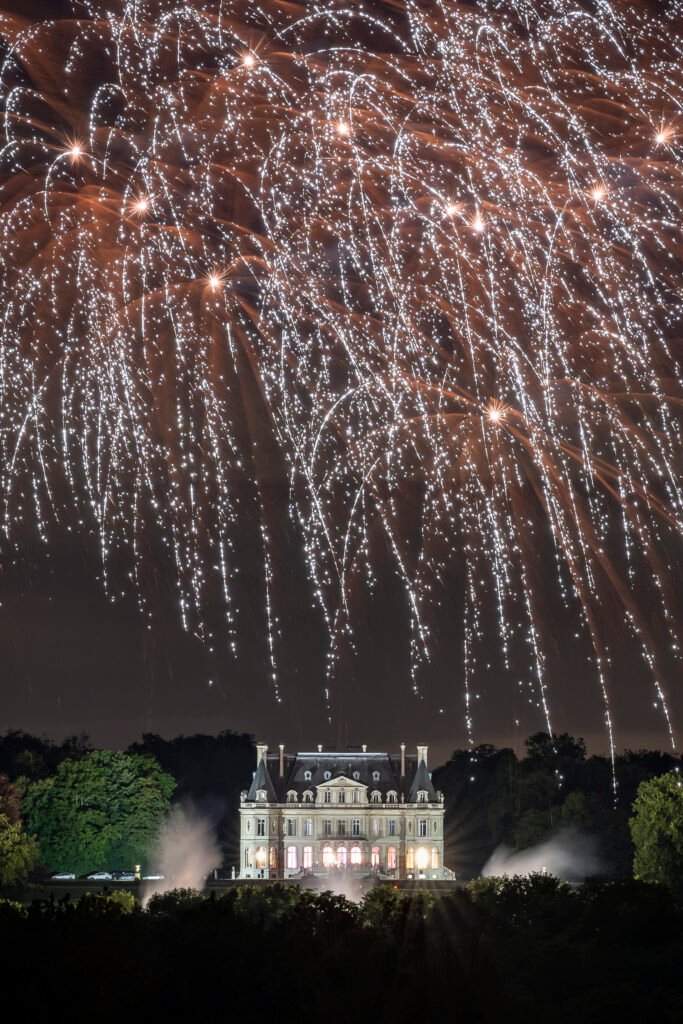
The photo of Dangu Castle published in Chasseur d’Images is a feat by Frédéric Lepla: he took it from 1.5 km away. The castle fills only the bottom of the frame, beneath the falling sparks that fill the sky.
The full article is in issue 480 of Chasseur d’Images, on newsstands and at chassimages.com (in French). Our thanks to Frédéric Lepla for his images, and to the editorial team for the space given to fireworks photography.
A wedding or an evening at a castle or estate? Tell us the venue, the date and the number of guests: we will suggest a display suited to the site.