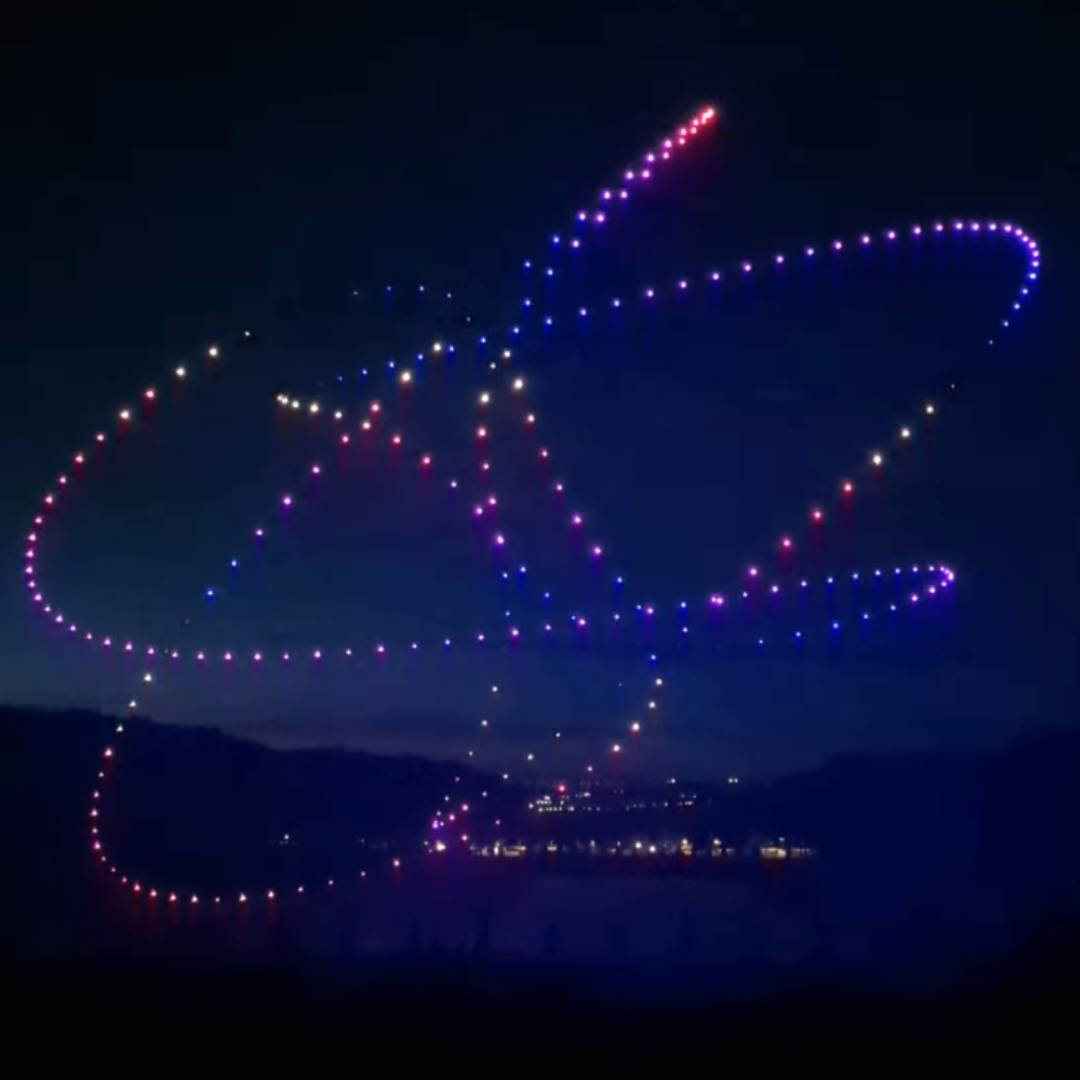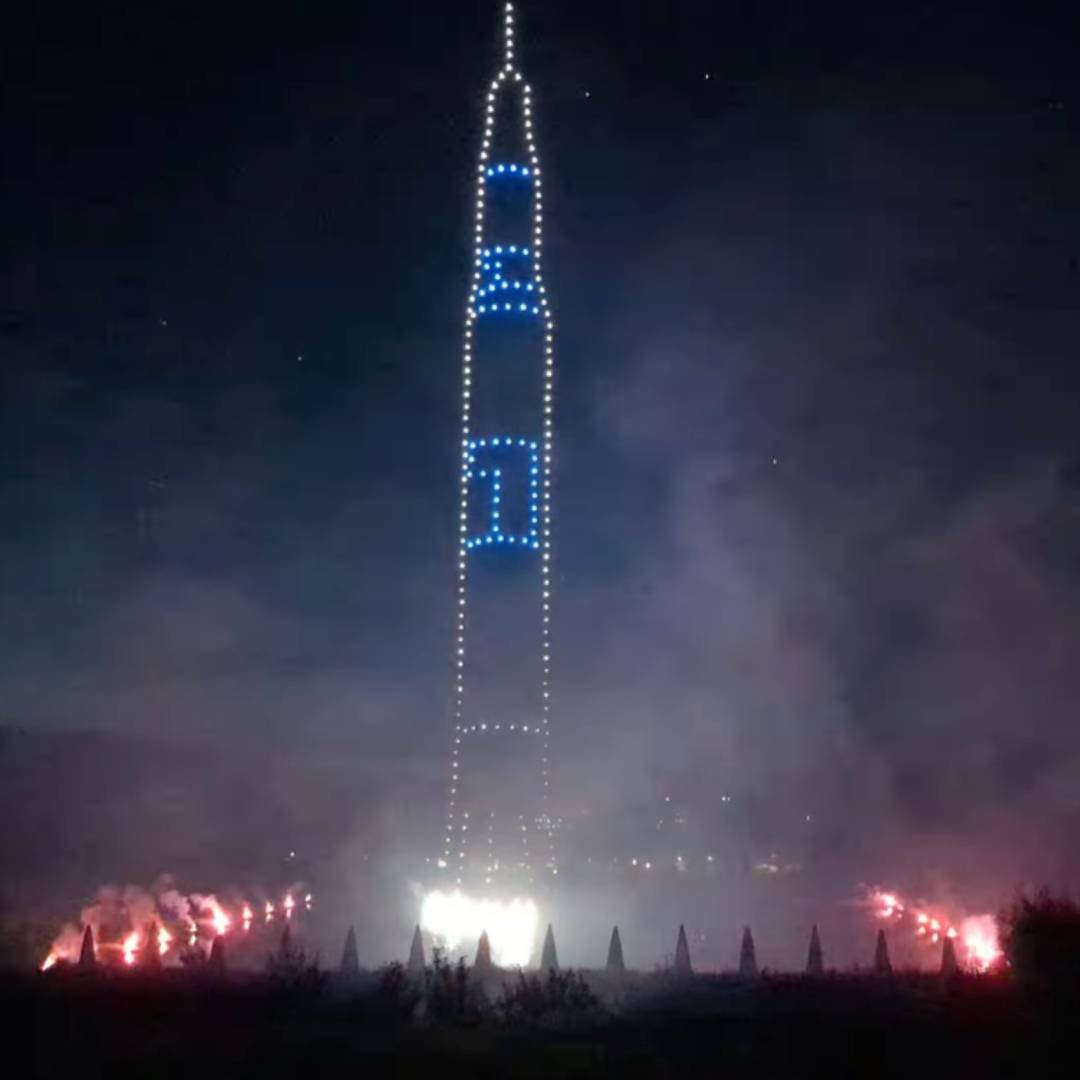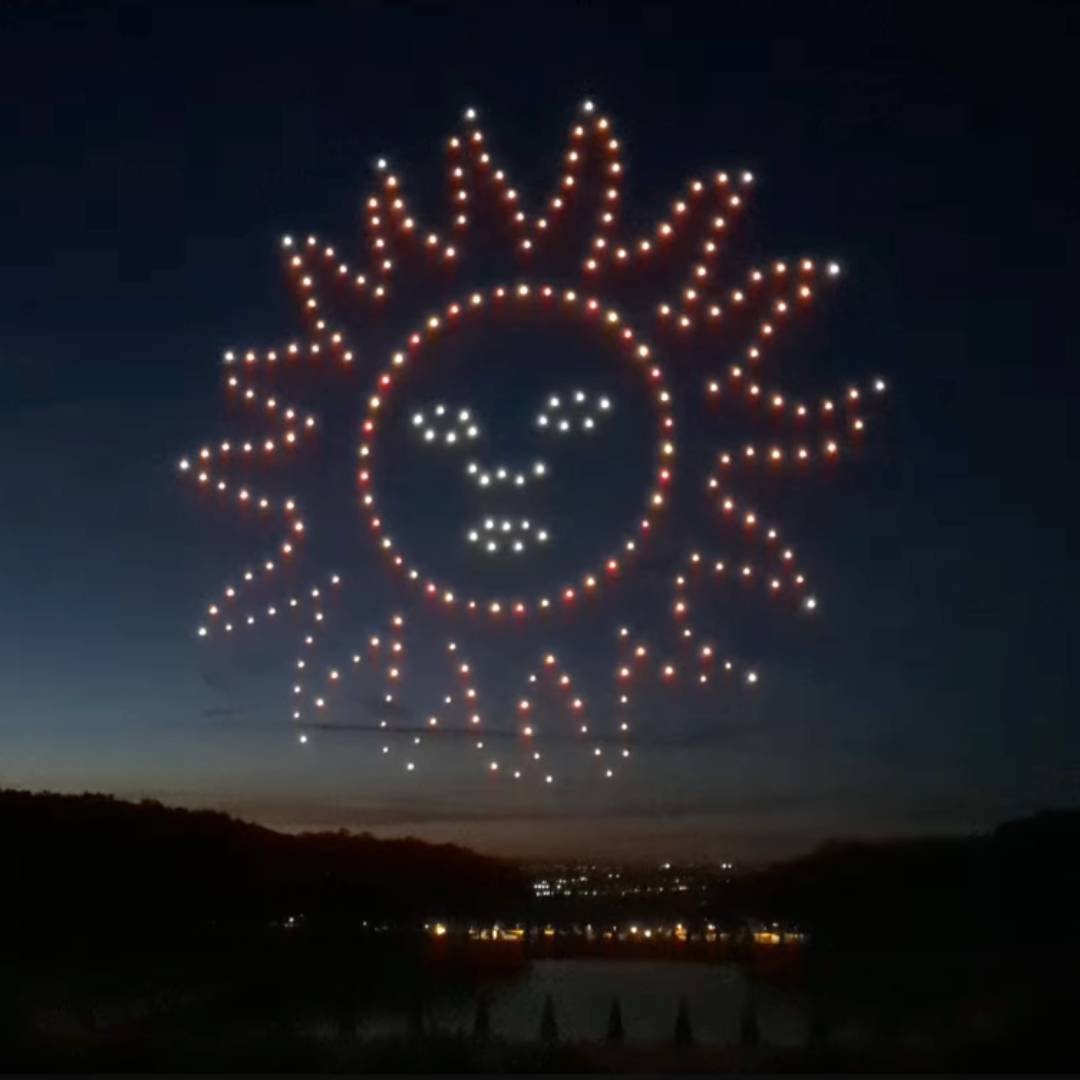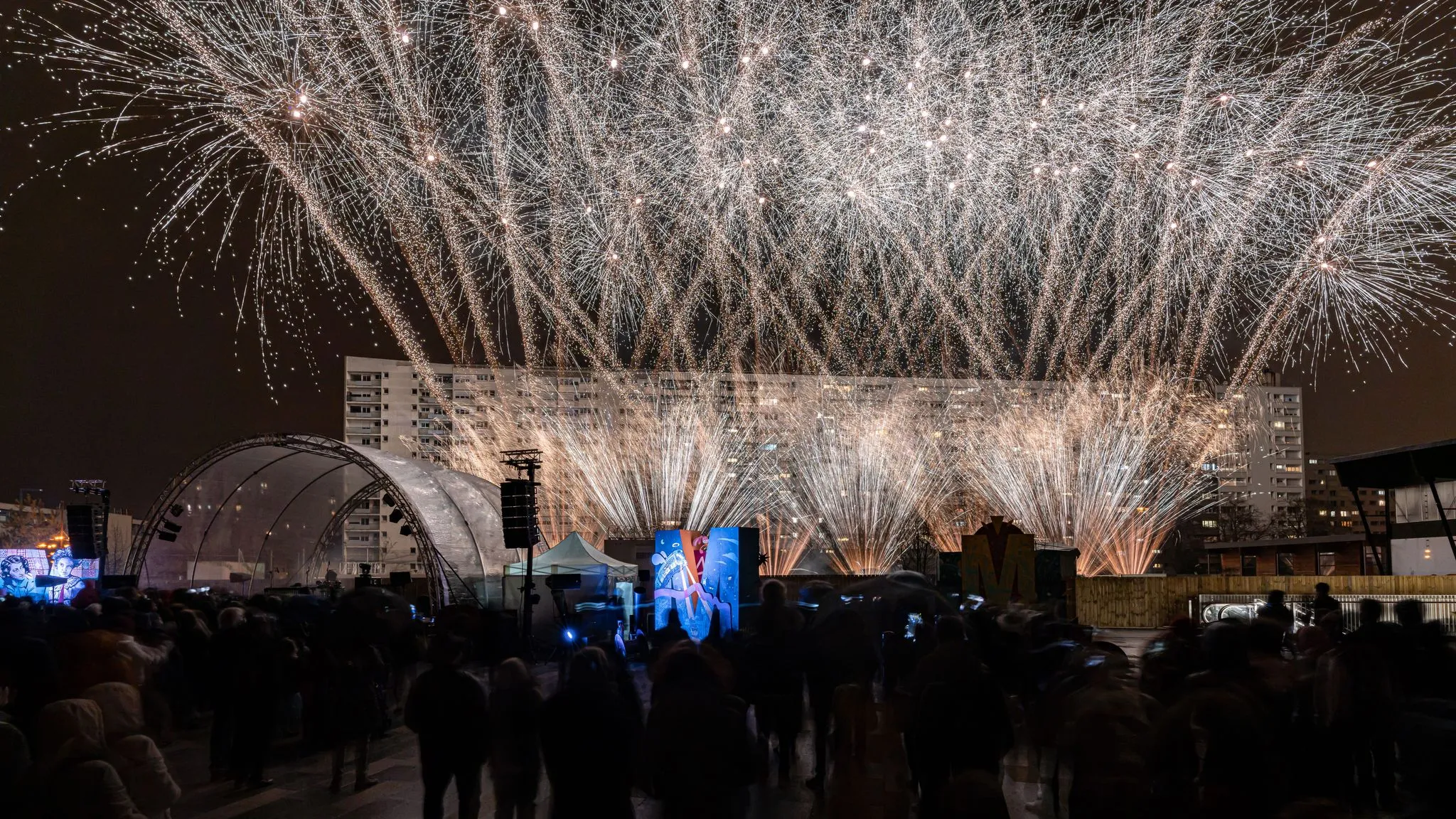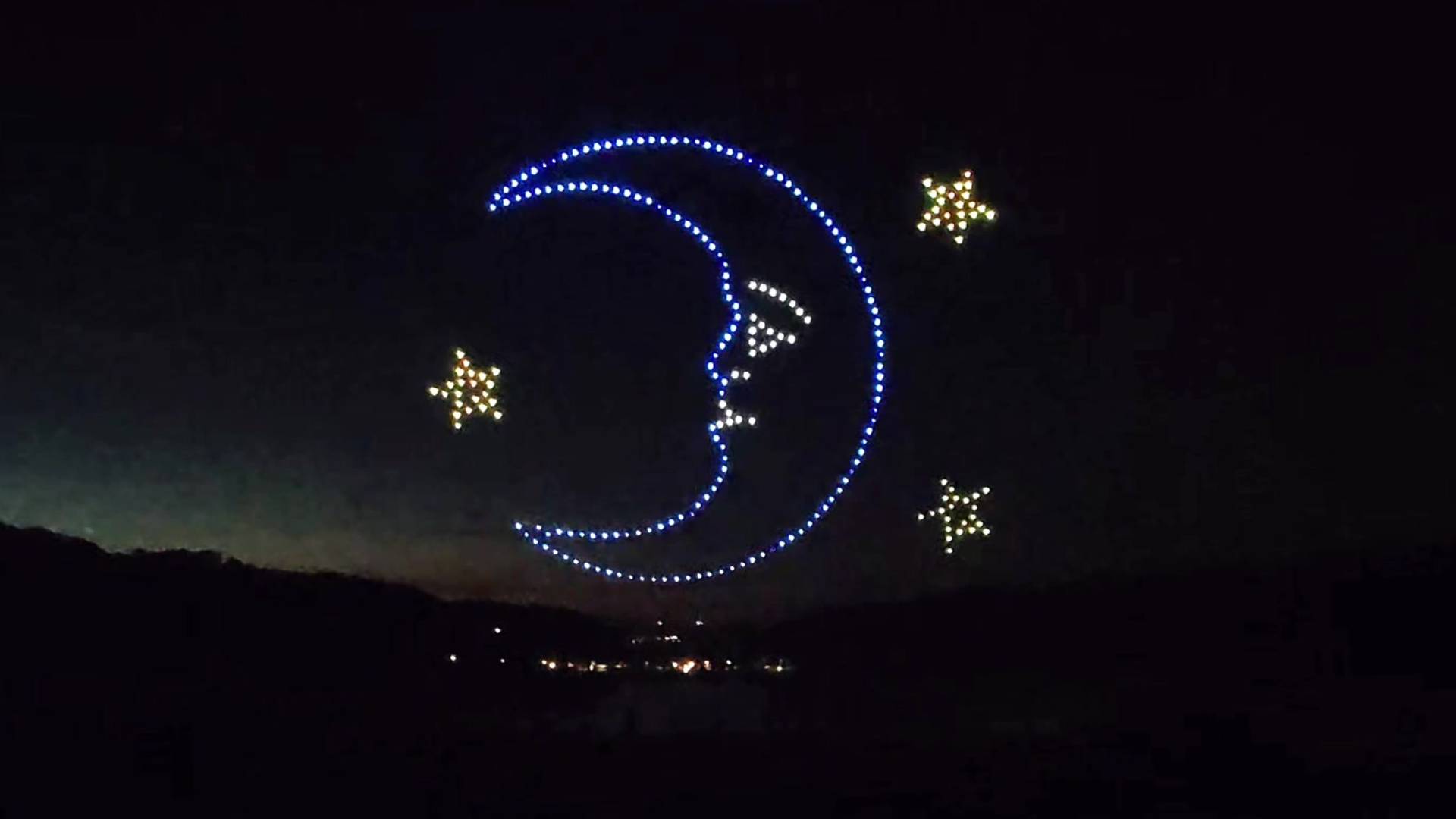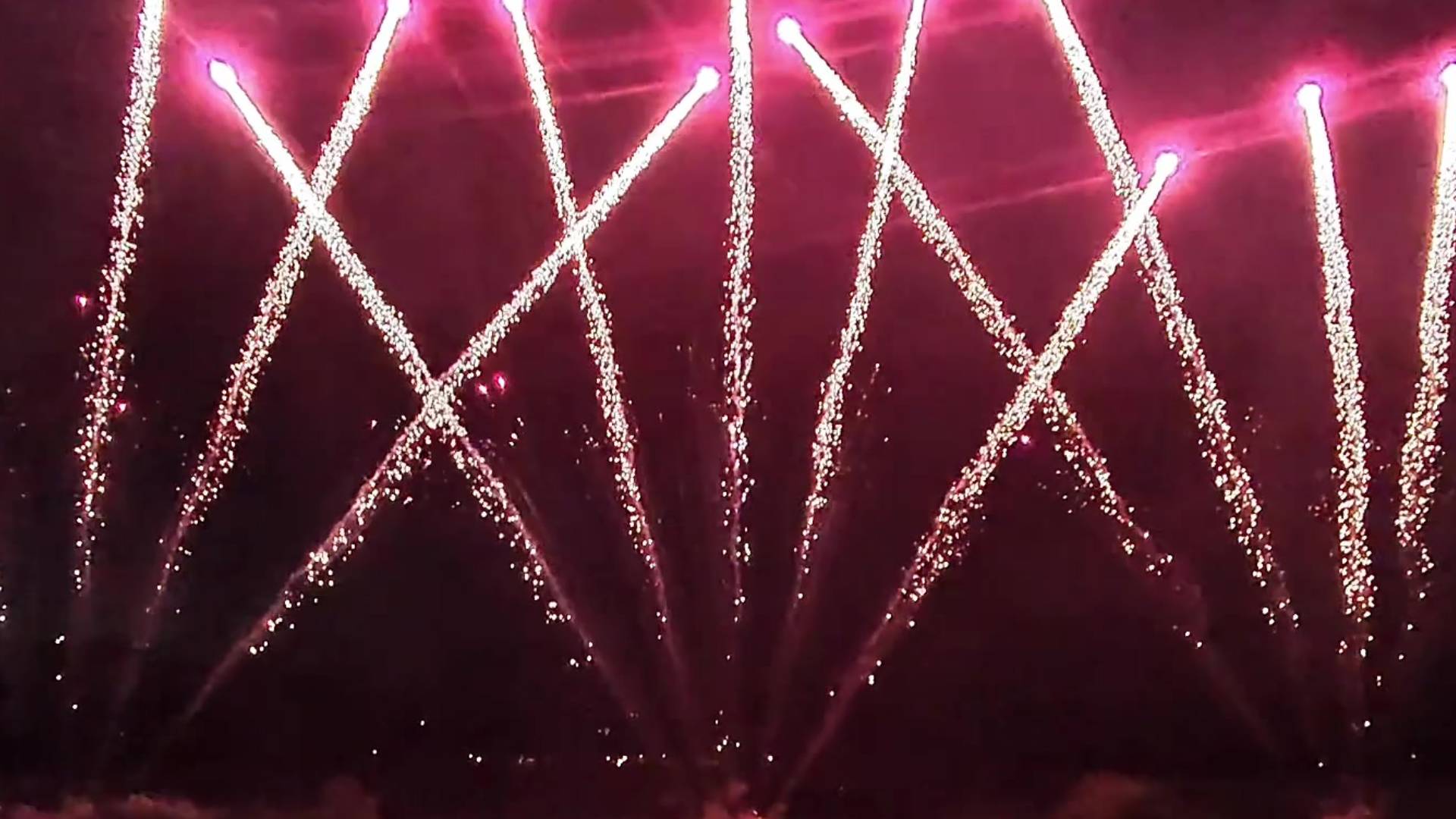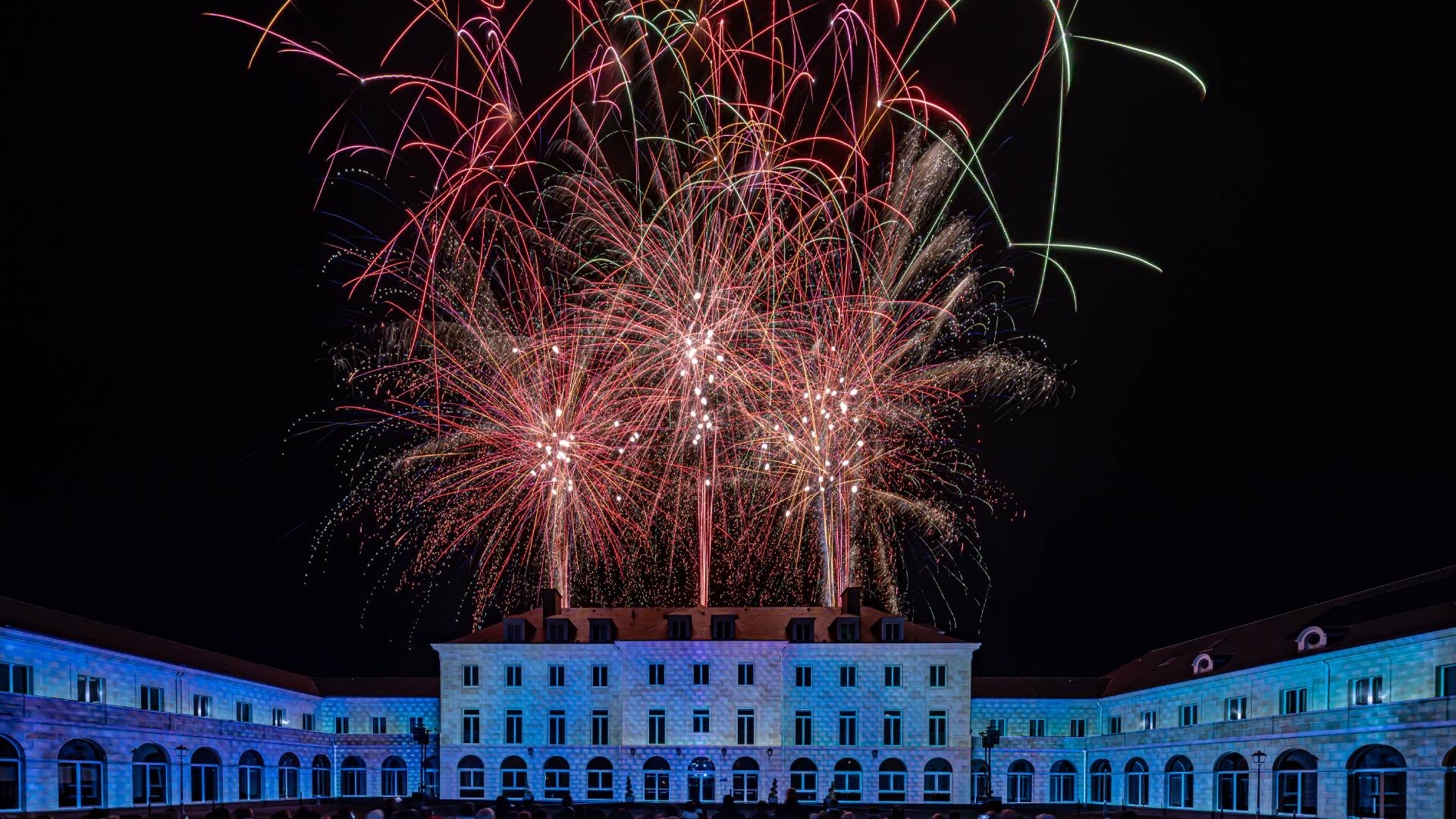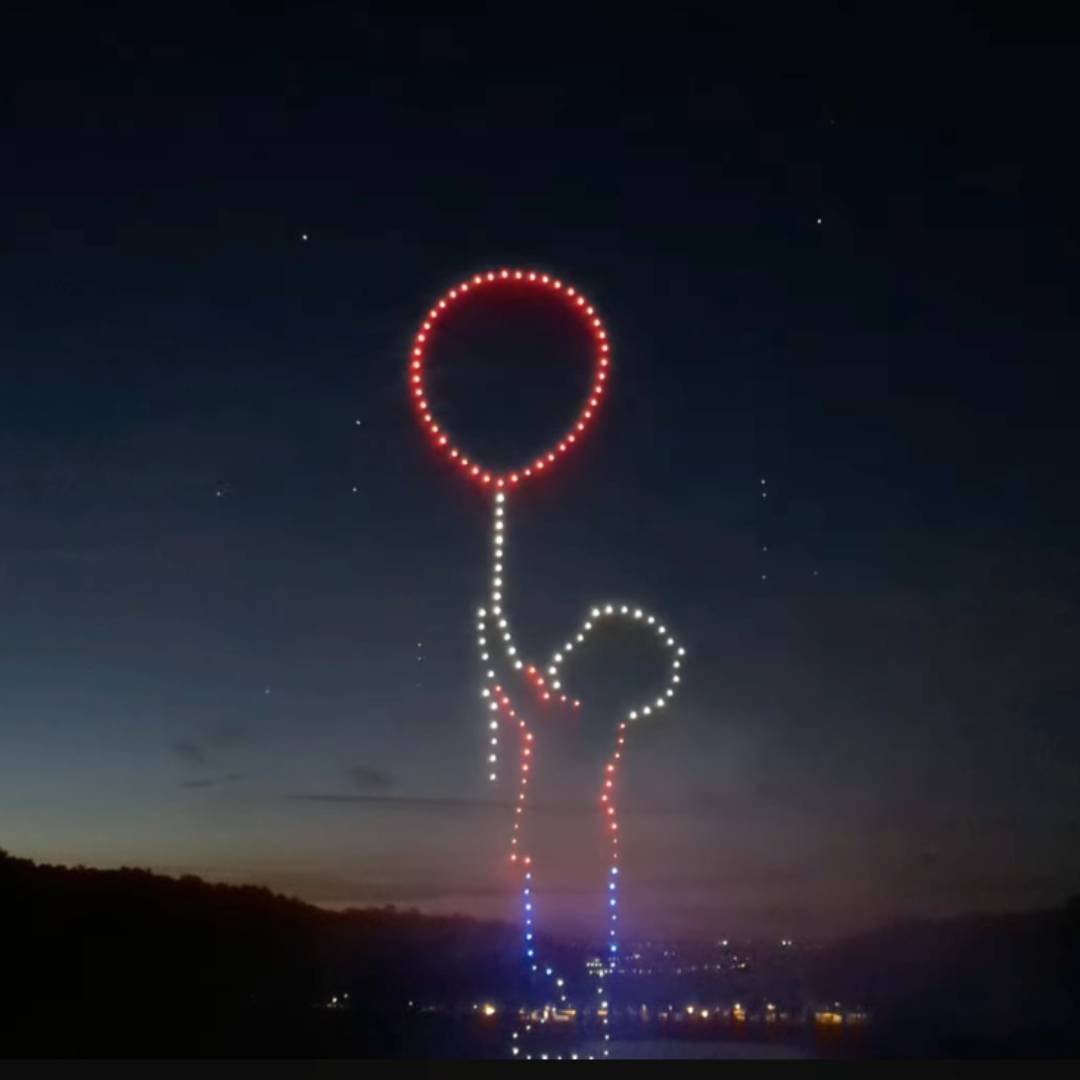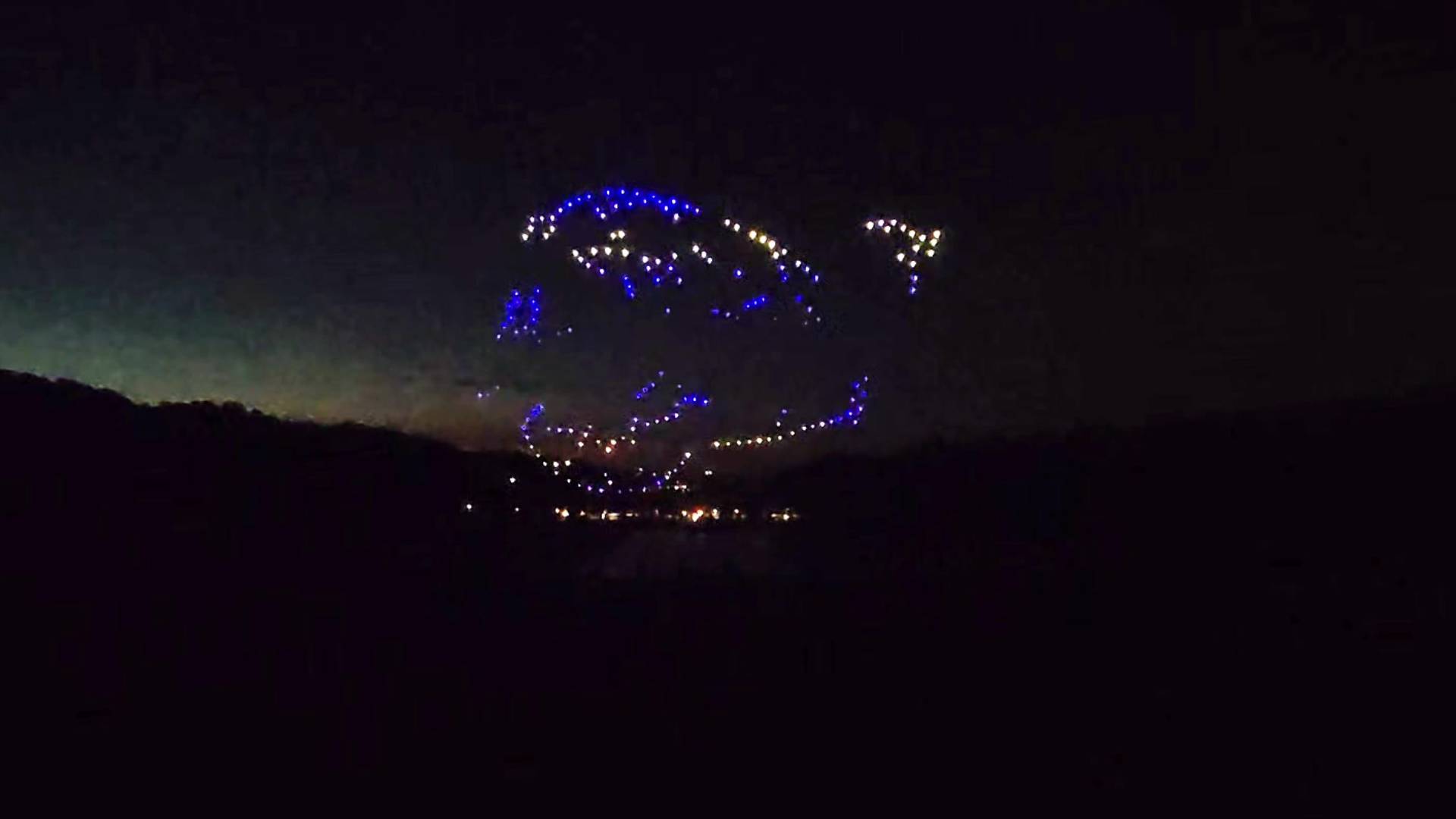
In May 2023, more than 1,350 drones flew over Geneva harbour for “Feu ô lac”, a show that received an award the following autumn. In Crans-Montana, a show of around a hundred drones was scheduled in place of the fireworks, and in Bern, a drone ballet in place of the usual fireworks on the Gurten. In summer 2026, Vaud, Valais and Geneva also restricted outdoor fires because of drought.
We produce drone light shows and fireworks, on their own or combined. Here are the points we review with a Swiss municipality or organiser before proposing one, the other or both.
The bans of summer 2026 and the place of drones
In the canton of Vaud, the ban on outdoor fires came into force on 28 July 2026, with an exception for professional firing from a lake. Valais banned the sale of fireworks, and Geneva restricted firing to platforms on the lake, with the canton’s authorisation.
Our drone lights carry no pyrotechnic articles: these orders, which target fires and fireworks, do not apply to them. The flight still depends on the wind and on authorisation from the Federal Office of Civil Aviation.
Replacing the fireworks with drones, or combining the two
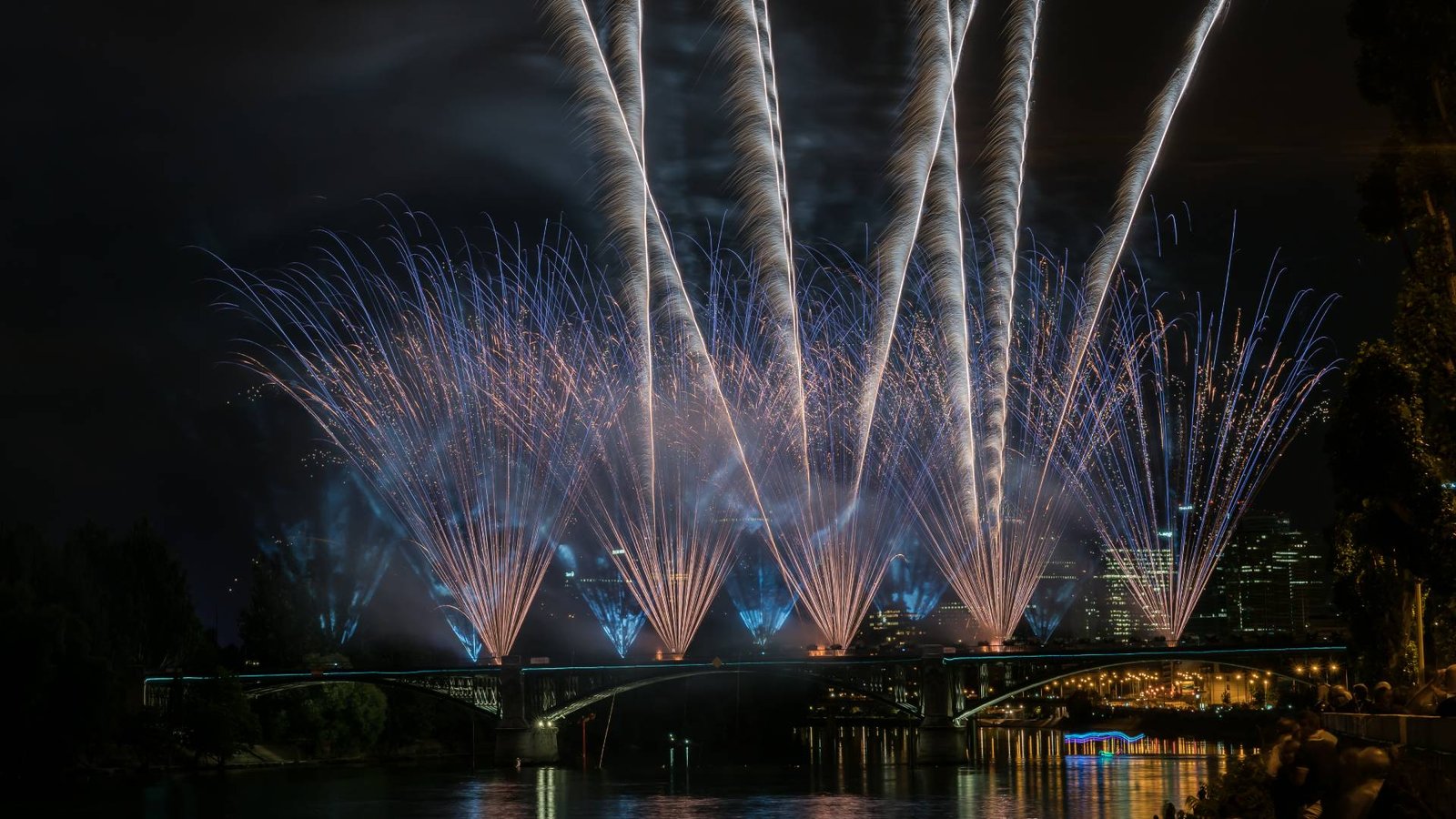
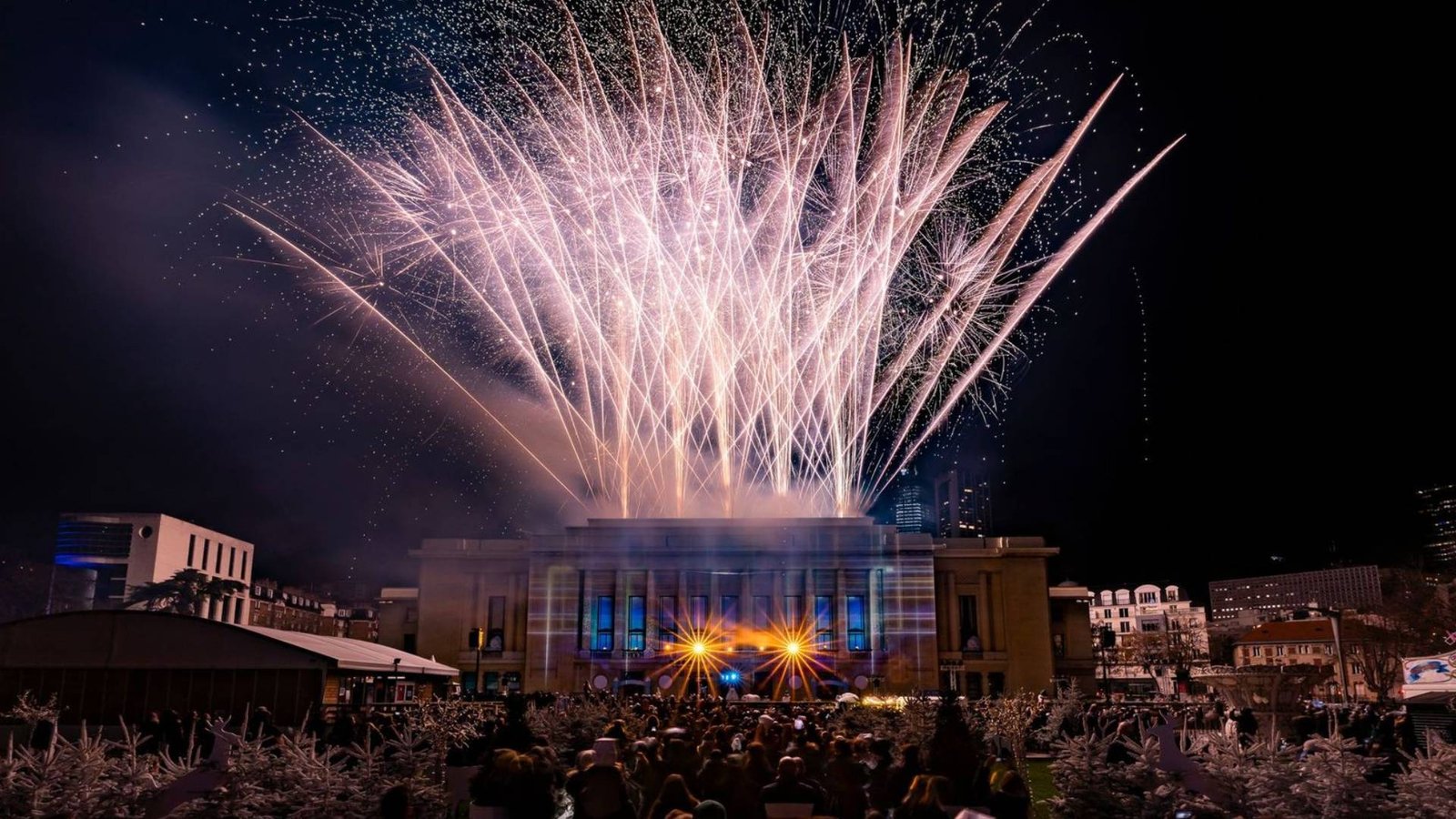
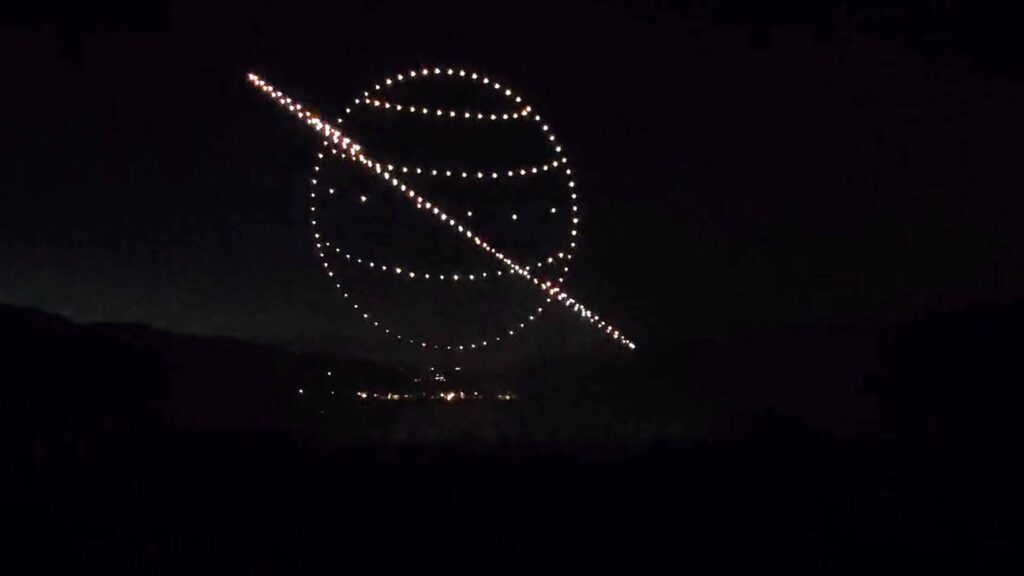
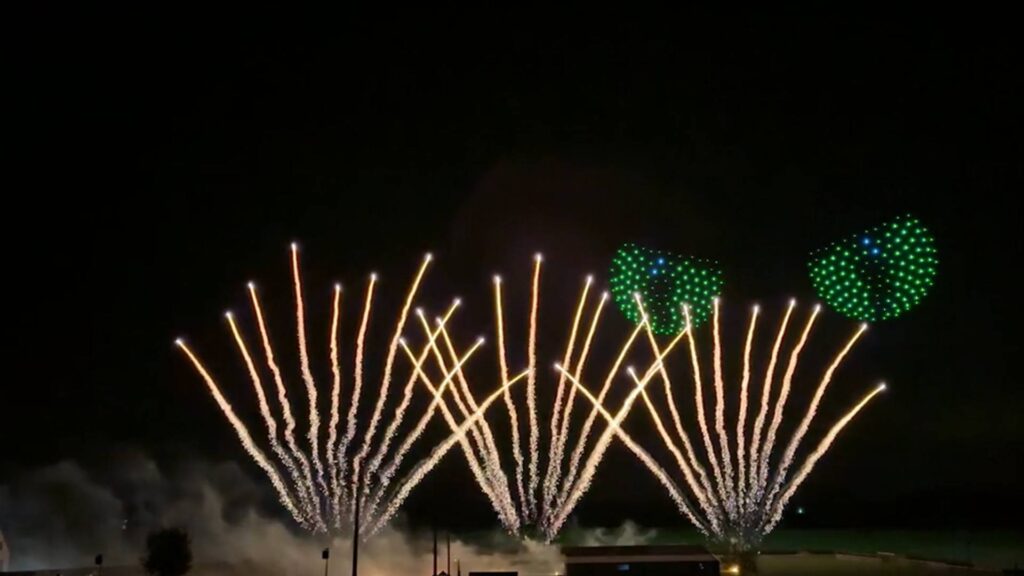
On 13 June 2026, in Marly-le-Roi, we flew 250 drones in dialogue with fireworks fired from around the Grand Miroir. In this format, the fireworks bring the detonation and the finale; the drones draw what the audience needs to read, such as a date, a municipal emblem or a logo.
With a Swiss municipality, we start from one of these three set-ups:
- Drones only: no falling debris and no firing noise, for a drought period, a site close to woodland or an animal park.
- Fireworks and drones: the fireworks fired from a barge or an authorised shore, the drones above the lake.
- Fireworks with a drone fallback: both are priced in the same quote, and the choice is made at the decision time agreed with you.
Fireworks, drones or both: we propose the set-up suited to your site and budget, priced within 48 hours.
The budget for a drone show in Switzerland
The City of Lausanne decided against switching to drones for its 1 August celebration, estimating the Geneva drone show, which uses more than 1,300 drones, at around CHF 1 million a year.
Our drone light shows start at €10,000, about CHF 9,400 at summer 2026 exchange rates, from 200 drones. The number of drones has the greatest effect on the price, followed by the flight duration; the distance to the venue matters less.
FOCA authorisation for a drone show
A flight above or close to the public falls outside the open category. It comes under the specific category (in French) and requires an operational authorisation from the Federal Office of Civil Aviation, with an operations manual and an emergency response plan.
Our flights are authorised in France by the DGAC. For an operation already authorised in another member state of the European Union Aviation Safety Agency and carried out partly in Switzerland, the FOCA provides for a cross-border authorisation application: we submit it as soon as the date and site are fixed.
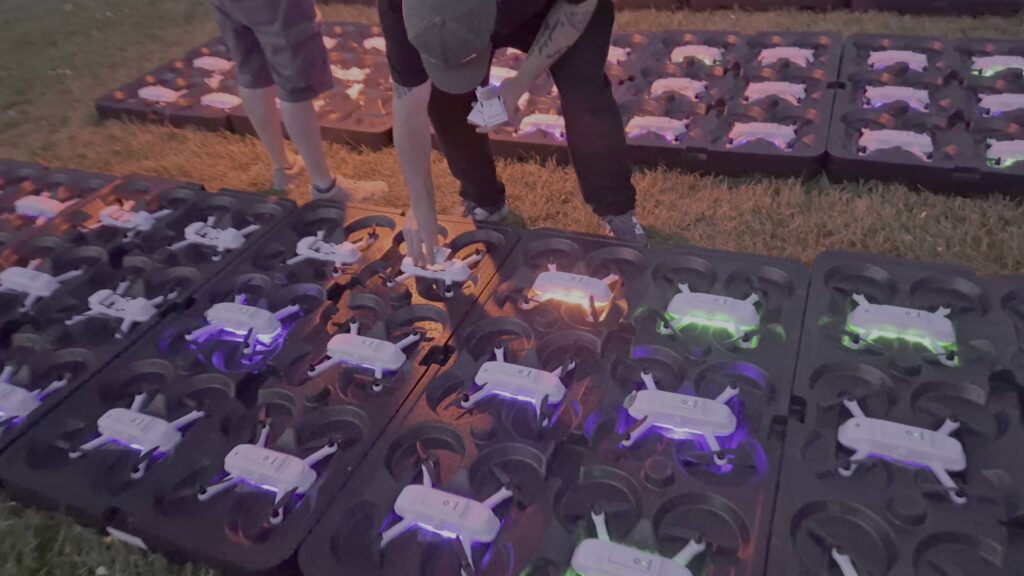
On the day of the flight, we agree a wind threshold and a back-up slot with the organiser: above the threshold, the drones stay on the ground.
The stages of a drone show in Switzerland
| Stage | What we do | When |
|---|---|---|
| First meeting | Choice of site, set-up (drones only or with fireworks) and number of drones | Three to six months ahead |
| Flight authorisation | Application to the FOCA, with operations manual and emergency plan | As soon as the date and site are fixed |
| Fireworks alongside | Application to the cantonal police and the municipality with our local partner | At least 15 days ahead in Vaud |
| Show day | Set-up, flight, wind threshold and back-up slot | On the day |
Our drone and fireworks shows in Switzerland
We work in Geneva, Lausanne, Montreux, Neuchâtel, Fribourg, Sion and Basel on a drone light show in Switzerland, with a local partner holding the firing permits for the pyrotechnic part. The procedures specific to fireworks are set out in our guide to fireworks permits and authorisations in Switzerland.
A 1 August celebration, a lake festival or a corporate evening in Switzerland? We price your show within 48 hours.